
Introduction
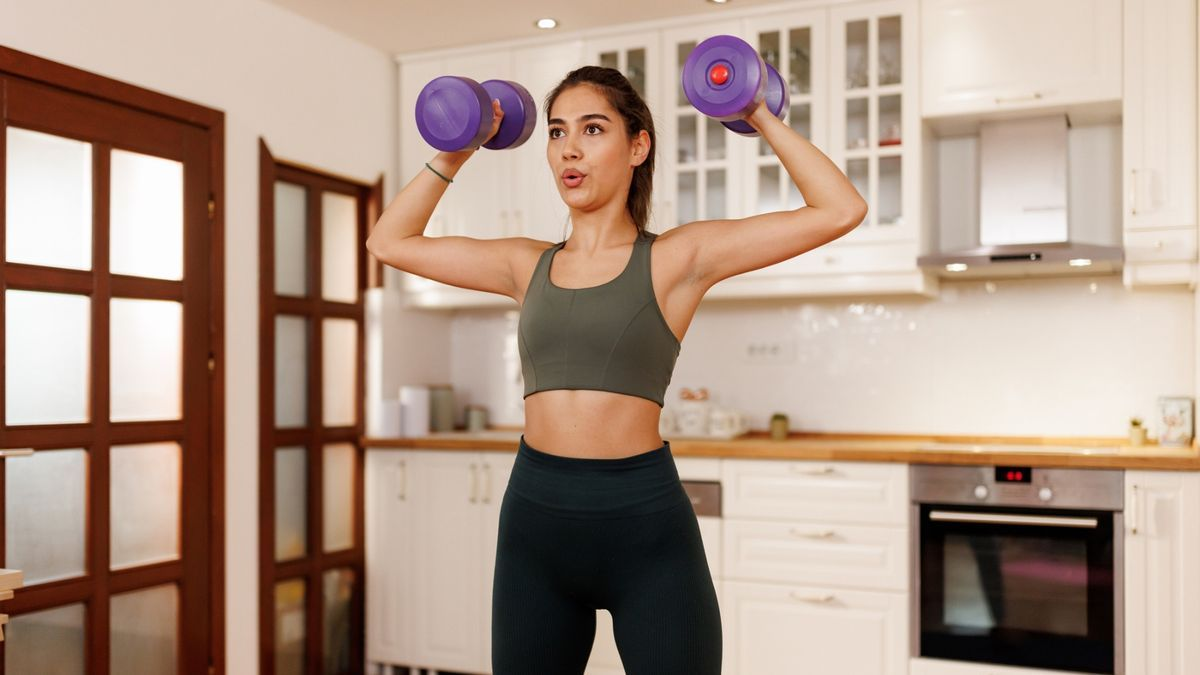
Home exercise has become one of the easiest and most practical ways to stay healthy and active. Busy schedules, expensive gym memberships, and travel time often prevent people from maintaining a regular fitness routine. Exercising at home removes many of these obstacles and allows individuals to work out whenever it suits their schedule.
For beginners, home workouts offer a comfortable and private environment where they can learn exercises without feeling pressure or embarrassment. Simple bodyweight exercises can improve strength, flexibility, endurance, and overall health without requiring expensive equipment or professional facilities.
The key to successful home fitness is consistency rather than intensity. A short daily workout performed regularly often produces better long-term results than occasional intense sessions. By creating realistic goals and following proper techniques, beginners can develop healthy habits that last for years.
This guide explains everything beginners need to know about home exercise tips, including their importance, practical steps, benefits, common mistakes, and expert recommendations. Whether your goal is weight management, better fitness, or increased energy, these tips can help you start your fitness journey with confidence.
What is Home Exercise Tips?
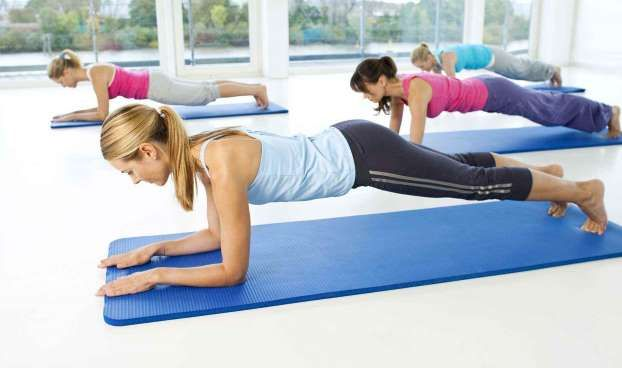
Home exercise tips are practical recommendations and strategies that help individuals perform physical activities safely and effectively within their homes. These tips cover workout planning, exercise selection, motivation, safety measures, and proper technique.
They are designed to help beginners build healthy fitness habits without needing expensive gym memberships or specialized equipment. Home exercise tips make workouts easier, safer, and more enjoyable while improving long-term consistency.
Why is Home Exercise Tips Important?
Home exercise tips are important because they help beginners avoid injuries, maintain motivation, and achieve better results from their workouts. Without proper guidance, many people either quit too early or perform exercises incorrectly.
These tips also help individuals create realistic routines that fit into daily life. By following simple recommendations, beginners can improve their health, strength, and endurance while developing sustainable fitness habits.
Detailed Step-by-Step Guide
Step 1: Set Clear Fitness Goals
Before starting any exercise routine, decide what you want to achieve. Your goal may be weight loss, increased strength, improved flexibility, or better overall health.
Clear goals provide direction and make it easier to measure progress over time. Beginners should choose realistic and achievable objectives to stay motivated.
Step 2: Create a Dedicated Workout Space
You do not need a large room to exercise effectively. A small clean area with enough space to move comfortably is usually sufficient.
Having a dedicated exercise space reduces distractions and creates a mental connection between the area and physical activity.
Step 3: Start with Warm-Up Exercises
Warming up prepares muscles and joints for movement while reducing the risk of injuries. Five to ten minutes of light activity is usually enough.
Walking in place, arm circles, shoulder rotations, and gentle stretching are excellent warm-up exercises for beginners.
Step 4: Focus on Bodyweight Exercises
Bodyweight exercises are ideal for beginners because they require no equipment and can be adjusted according to fitness levels.
Examples include squats, lunges, push-ups, wall push-ups, planks, jumping jacks, and step-ups using stairs.
Step 5: Learn Proper Form and Technique
Correct form is more important than speed or repetition count. Performing exercises incorrectly increases the risk of strain and injury.
Practice movements slowly and focus on maintaining proper posture throughout each exercise session.
Step 6: Begin with Short Sessions
Many beginners make the mistake of exercising too much during the first week. This often causes soreness and discouragement.
Start with fifteen to twenty-minute sessions and gradually increase duration as your fitness improves.
Step 7: Include Cardiovascular Activities
Cardio exercises improve heart health and help burn calories. They also increase stamina and energy levels.
Walking indoors, jogging in place, skipping, stair climbing, and dancing are excellent options for home cardio workouts.
Step 8: Add Strength Training
Strength exercises help build muscle and improve metabolism. Strong muscles also support joints and improve posture.
Simple bodyweight movements performed two or three times per week can significantly improve strength over time.
Step 9: Include Flexibility Training
Stretching improves mobility and reduces muscle tightness after workouts. Flexible muscles also reduce the likelihood of injuries.
Spend at least five minutes stretching major muscle groups after each workout session.
Step 10: Stay Hydrated
Water is essential for exercise performance and recovery. Dehydration can cause fatigue, headaches, and poor concentration.
Keep a water bottle nearby and drink regularly before, during, and after exercise sessions.
Step 11: Schedule Rest Days
Rest is an important part of fitness progress because muscles grow and recover during recovery periods.
Beginners should include one or two rest days each week to avoid overtraining and exhaustion.
Step 12: Track Your Progress
Recording workouts helps maintain motivation and allows you to see improvements over time.
You can track workout duration, repetitions, body measurements, or fitness milestones in a notebook or mobile application.
Benefits of Home Exercise Tips
- Saves money on gym memberships.
- Eliminates travel time to fitness centers.
- Allows flexible workout schedules.
- Increases convenience and accessibility.
- Improves cardiovascular health.
- Helps maintain a healthy body weight.
- Builds muscle strength and endurance.
- Supports better mental health.
- Reduces stress and anxiety.
- Improves sleep quality.
- Enhances energy levels throughout the day.
- Encourages long-term fitness habits.
- Provides privacy during workouts.
- Improves flexibility and mobility.
- Strengthens bones and joints.
- Increases confidence and self-esteem.
- Supports healthy aging.
- Makes exercise more sustainable for busy individuals.
Disadvantages / Risks
- Limited access to professional supervision.
- Incorrect exercise form may increase injury risk.
- Home distractions can reduce focus.
- Motivation may decline without accountability.
- Limited equipment can restrict exercise variety.
- Small spaces may limit movement options.
- Overtraining can occur without proper planning.
- Poor flooring surfaces may cause discomfort.
- Isolation may reduce enjoyment for some individuals.
- Lack of progression can lead to fitness plateaus.
Common Mistakes to Avoid
One common mistake is skipping warm-up exercises before starting a workout. Cold muscles are more likely to experience strains and discomfort during physical activity. Spending a few minutes warming up can significantly reduce injury risks.
Another mistake is trying advanced exercises too soon. Beginners often compare themselves to experienced athletes and attempt movements that exceed their current abilities. Gradual progression produces safer and more sustainable improvements.
Many people also neglect rest and recovery. Exercising every day without breaks can lead to fatigue, soreness, and reduced performance. Rest days are an essential part of fitness progress.
Poor posture during exercises is another frequent issue. Incorrect form not only reduces effectiveness but can also cause pain or injuries over time. Quality of movement should always come before quantity.
Finally, unrealistic expectations often lead to disappointment. Fitness improvements require patience and consistency rather than quick solutions or extreme workouts.
FAQs
1. Can beginners really get fit by exercising at home?
Yes, beginners can achieve excellent results through home workouts. Bodyweight exercises, cardio activities, and stretching routines are enough to improve strength, fitness, and overall health.
2. How long should a beginner exercise at home?
Most beginners should start with fifteen to thirty minutes per session, three to five times per week. Workout duration can increase gradually as fitness improves.
3. Do I need equipment for home workouts?
No equipment is necessary for many effective exercises. Squats, push-ups, planks, lunges, and jumping jacks can provide excellent results using only body weight.
4. What is the best time to exercise at home?
The best time is whenever you can remain consistent. Some people prefer mornings for increased energy, while others enjoy evening workouts after work or study.
5. How can I stay motivated while exercising at home?
Setting goals, tracking progress, listening to music, and following a regular schedule can improve motivation and consistency.
6. How many rest days should beginners take?
Most beginners benefit from one or two rest days each week. Recovery helps muscles repair and prepares the body for future workouts.
7. Is stretching necessary after exercise?
Yes, stretching helps improve flexibility and reduces muscle tightness. It also supports recovery and lowers the risk of injuries.
8. Can home workouts help with weight loss?
Home workouts combined with healthy eating habits can contribute significantly to weight management and fat loss over time.
Expert Tips & Bonus Points
Begin with exercises you enjoy because enjoyable activities are easier to maintain consistently over the long term. Motivation often increases when workouts feel rewarding rather than stressful.
Use household items such as water bottles or backpacks as temporary weights when you are ready for additional resistance training. This approach saves money while increasing workout intensity.
Prepare your workout clothes in advance and schedule exercise sessions like important appointments. Planning ahead reduces excuses and improves consistency.
Celebrate small victories such as completing your first week of workouts or increasing repetitions. Recognizing progress keeps motivation high and encourages long-term commitment.
Remember that fitness is a lifelong journey rather than a short-term challenge. Consistency, patience, and gradual improvement produce the best results.
Conclusion
Home exercise is one of the most convenient and affordable ways for beginners to improve their health and fitness. It removes many common barriers associated with traditional gyms and allows individuals to exercise in a comfortable and familiar environment.
By following proper home exercise tips, beginners can reduce injury risks, stay motivated, and achieve better results. Simple habits such as warming up, maintaining proper form, staying hydrated, and scheduling rest days create a strong foundation for long-term success.
The most important factor is consistency rather than perfection. Even short daily workouts can produce significant improvements when performed regularly over time. Progress may appear slow at first, but every session contributes to stronger muscles, better endurance, and improved health.
Whether your goal is weight management, increased energy, better mental well-being, or overall fitness, home exercise can help you achieve it. Start with small steps, remain patient with your progress, and continue building healthy habits that support your future health and happiness.