
Introduction
Mental health awareness has become one of the most important topics in modern society because emotional and psychological well-being affects every part of daily life. The way people think, feel, react to situations, build relationships, and make decisions is closely connected to their mental health. Despite its importance, many individuals still hesitate to discuss emotional struggles because of stigma, misunderstanding, or lack of information.
Increasing awareness helps people recognize early signs of stress, anxiety, depression, and emotional exhaustion before these issues become more serious. It also encourages supportive environments where individuals feel comfortable seeking help and talking openly about their experiences. Awareness is not only for those facing mental health challenges but for everyone who wants to maintain a balanced and healthy lifestyle.
Mental health awareness promotes education, understanding, compassion, and prevention. It teaches individuals how to care for their minds just as they care for their physical health. Whether someone is a student, parent, employee, or business owner, understanding mental health can improve productivity, relationships, and overall quality of life. This guide explains the basics of mental health awareness, why it matters, practical steps to improve it, common mistakes to avoid, and expert tips for long-term emotional wellness.
What is Mental Health Awareness?
Mental health awareness refers to understanding mental health conditions, recognizing emotional challenges, and promoting positive psychological well-being. It involves educating people about common mental health issues and encouraging open discussions that reduce fear and stigma surrounding these topics.
Awareness also includes learning how emotions, thoughts, and behaviors influence daily life. It helps individuals identify warning signs in themselves and others while creating supportive communities where seeking professional help is considered normal and responsible rather than something to hide.
Why is Mental Health Awareness Important?
Mental health awareness is important because it helps people identify emotional struggles early and take action before problems become severe. Early intervention often leads to better outcomes and can prevent long-term difficulties in personal, academic, and professional life.
Awareness also reduces discrimination and misconceptions surrounding mental health conditions. When communities understand that mental health challenges are common and treatable, individuals are more likely to seek support, communicate openly, and receive the care they need without fear of judgment.
Step-by-Step Guide to Improving Mental Health Awareness
Step 1: Learn the Basics of Mental Health
The first step is understanding what mental health means and how it affects daily life. Mental health includes emotional, psychological, and social well-being. It influences how people handle stress, interact with others, and make choices.
Reading educational resources, attending workshops, and following reliable health organizations can help beginners build a strong foundation of knowledge and recognize common mental health conditions.
Step 2: Recognize Common Warning Signs
Many mental health challenges develop gradually, making awareness of warning signs extremely important. Changes in sleeping habits, appetite, mood, concentration, energy levels, and social behavior may indicate emotional distress.
Persistent sadness, excessive worry, loss of interest in activities, irritability, and feelings of hopelessness are signs that should not be ignored. Recognizing these symptoms early allows individuals to seek support sooner.
Step 3: Encourage Open Conversations
Talking openly about emotions helps reduce stigma and creates a culture of support. Friends, family members, schools, and workplaces all play an important role in encouraging healthy discussions about emotional well-being.
Listening without judgment and showing empathy can make a significant difference for someone experiencing emotional difficulties. Sometimes feeling heard and understood is the first step toward recovery.
Step 4: Practice Daily Self-Care
Self-care is an essential part of maintaining mental health. Regular exercise, balanced nutrition, sufficient sleep, and relaxation activities support emotional resilience and stress management.
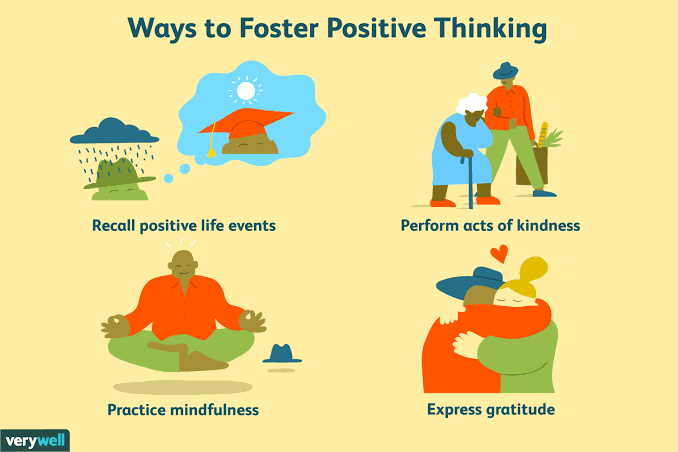
Simple habits such as reading, journaling, meditation, spending time outdoors, and limiting screen time can improve mood and reduce emotional exhaustion over time.
Step 5: Build Strong Social Connections
Healthy relationships provide emotional support during difficult times. Spending time with trusted family members, friends, and community groups helps reduce feelings of loneliness and isolation.
Strong social networks also improve confidence, create a sense of belonging, and provide opportunities to share experiences and seek advice when needed.
Step 6: Manage Stress Effectively
Stress is a natural part of life, but unmanaged stress can negatively affect mental health. Learning stress management techniques helps individuals maintain emotional balance during challenging situations.
Deep breathing exercises, time management strategies, regular physical activity, and healthy routines are effective methods for reducing stress levels and improving focus.
Step 7: Seek Professional Support When Necessary
Professional support is valuable and should never be viewed as a weakness. Mental health professionals are trained to help individuals understand emotions, develop coping skills, and manage challenges effectively.
Seeking help early often prevents problems from becoming more severe and improves long-term outcomes for emotional and psychological well-being.
Benefits of Mental Health Awareness

Mental health awareness offers numerous advantages for individuals, families, and communities. Some of the most important benefits include:
- Encourages early recognition of emotional difficulties.
- Reduces social stigma and misunderstanding.
- Improves communication about feelings and emotions.
- Supports healthier relationships and stronger communities.
- Promotes better stress management skills.
- Increases productivity and concentration.
- Encourages healthy lifestyle habits.
- Improves academic and workplace performance.
- Helps individuals seek professional support sooner.
- Enhances overall quality of life and happiness.
- Reduces feelings of isolation and loneliness.
- Encourages empathy and compassion toward others.
Mental health awareness also creates safer environments where people feel respected and supported regardless of their emotional challenges or experiences.
Disadvantages and Risks
Although mental health awareness is highly beneficial, certain challenges and risks should also be considered:
- Exposure to misinformation from unreliable sources.
- Self-diagnosing without professional guidance.
- Misinterpreting normal emotions as serious conditions.
- Depending entirely on online advice instead of expert support.
- Feeling overwhelmed by excessive mental health content.
- Comparing personal experiences with others unnecessarily.
- Ignoring professional treatment when it is needed.
Understanding these risks helps individuals approach mental health information carefully and rely on qualified professionals for diagnosis and treatment decisions.
Common Mistakes to Avoid
One common mistake is believing that mental health only matters when someone has a diagnosed condition. Mental health affects everyone and requires regular attention just like physical health.
Another mistake is ignoring stress or emotional discomfort and assuming it will disappear without action. Early attention often prevents larger problems later.
Many people also avoid discussing emotions because they fear judgment from others. Silence often increases isolation and makes challenges harder to manage over time.
Relying entirely on social media for mental health information is another mistake. While online resources can be helpful, professional advice remains essential for serious concerns.
Comparing emotional experiences with others can also be harmful. Every person’s experiences, coping abilities, and recovery journey are unique and should be respected.
Finally, neglecting sleep, nutrition, exercise, and social relationships can weaken emotional resilience and make stress more difficult to manage effectively.
Frequently Asked Questions
1. What is the main purpose of mental health awareness?
The main purpose of mental health awareness is to educate people about emotional well-being, reduce stigma, encourage early intervention, and promote healthier communities where individuals feel comfortable seeking help.
2. Why is mental health awareness important for students?
Students face academic pressure, social challenges, and future uncertainties. Awareness helps them recognize stress, build coping skills, improve concentration, and maintain better emotional balance during their education.
3. Can mental health affect physical health?
Yes, mental health and physical health are closely connected. Chronic stress and emotional difficulties can influence sleep, energy levels, immune function, and overall physical well-being.
4. How can families support mental health awareness?
Families can encourage open communication, listen without judgment, provide emotional support, learn about mental health topics, and encourage professional assistance when necessary.
5. When should someone seek professional help?
Professional help should be considered when emotional difficulties persist for an extended period, interfere with daily activities, affect relationships, or create significant distress.
6. Is stress always harmful?
No, short-term stress can motivate people and improve performance. Problems usually occur when stress becomes intense, frequent, or unmanaged for long periods.
7. Can lifestyle habits improve mental health?
Yes, regular exercise, healthy eating, quality sleep, social interaction, and stress management techniques significantly contribute to better emotional well-being.
8. Does mental health awareness benefit workplaces?
Yes, workplace awareness improves productivity, communication, teamwork, and employee satisfaction while reducing absenteeism and burnout.
Expert Tips and Bonus Points
Experts recommend treating mental health care as a daily habit rather than an occasional activity. Small consistent actions often produce better results than major changes that are difficult to maintain.
Maintaining a regular sleep schedule is one of the most effective ways to support emotional well-being. Sleep affects mood, concentration, memory, and stress management abilities.
Limiting excessive exposure to negative news and social media content can protect emotional balance and reduce unnecessary anxiety.
Keeping a gratitude journal can improve positivity and help individuals focus on achievements and meaningful experiences rather than constant worries.
Developing hobbies and creative activities such as reading, drawing, gardening, or writing can provide relaxation and emotional satisfaction.
Learning basic emotional vocabulary also improves communication and allows individuals to express feelings more accurately and effectively.
Building a support network before difficulties arise ensures that emotional assistance is available during challenging periods.
Finally, remember that maintaining mental health is an ongoing process rather than a destination. Continuous learning and healthy habits create long-term resilience and well-being.
Conclusion
Mental health awareness is an essential part of living a healthy and balanced life. Understanding emotional well-being allows individuals to recognize challenges early, seek support when necessary, and develop habits that strengthen resilience and improve daily functioning. As society becomes more informed, conversations about mental health continue to replace stigma with compassion and understanding.
Awareness benefits individuals, families, schools, workplaces, and communities by encouraging empathy, reducing discrimination, and promoting healthier lifestyles. It reminds people that emotional health deserves the same attention and care as physical health. Small actions such as learning about mental health, practicing self-care, building supportive relationships, and managing stress effectively can create significant long-term improvements.
The journey toward better mental health begins with knowledge and awareness. By educating ourselves and supporting others, we contribute to stronger communities where emotional well-being is valued and protected. Every conversation, every act of kindness, and every effort to understand mental health helps create a healthier future for everyone. Mental health awareness is not a temporary trend but a lifelong commitment to personal growth, emotional balance, and overall well-being.