Introduction
Sleep is one of the most important parts of a healthy lifestyle, yet it is often ignored in today’s busy world. Many people sacrifice sleep to finish work, study longer, spend time on social media, or watch television late into the night. Although this may seem harmless at first, poor sleep habits can gradually affect physical health, emotional well-being, productivity, and overall quality of life.
Better sleep habits are simple daily practices that help the body and mind prepare for quality rest. These habits create consistency in sleep patterns and support the natural processes that control the sleep cycle. Good sleep does not only mean spending enough hours in bed; it also means achieving deep and restorative sleep that allows the body to recover properly.
For beginners, improving sleep may seem difficult, especially when poor sleep patterns have existed for years. Fortunately, small and practical changes can lead to significant improvements over time. Creating a comfortable sleep environment, maintaining a regular bedtime schedule, and reducing distractions are often enough to produce noticeable results.
This guide explains everything beginners need to know about better sleep habits, including why they matter, how to develop them, common mistakes to avoid, and expert tips for long-term success.
What is Better Sleep Habits?

Better sleep habits refer to daily routines and behaviors that promote healthy, consistent, and high-quality sleep. These habits support the body’s internal clock and help individuals fall asleep faster, stay asleep longer, and wake up feeling refreshed and energized.
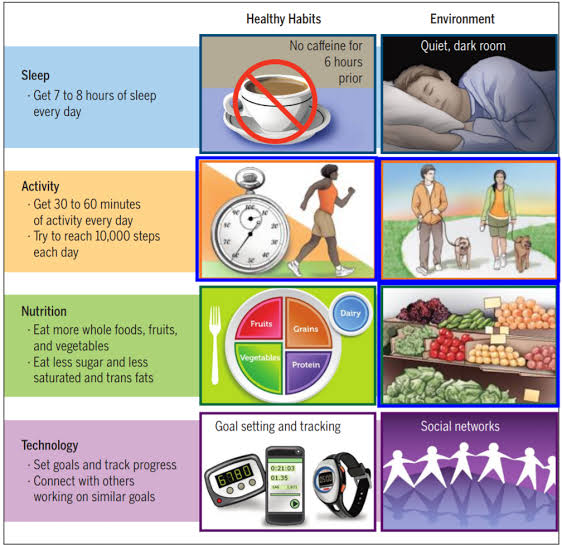
Examples of better sleep habits include maintaining a regular bedtime, limiting caffeine intake before sleep, reducing screen exposure at night, and creating a quiet and comfortable sleeping environment. These practices help improve both sleep duration and sleep quality.
Sleep habits are often grouped under the term “sleep hygiene,” which describes healthy behaviors that encourage restful sleep. Just as personal hygiene protects physical health, sleep hygiene protects mental and physical recovery during the night.
Developing better sleep habits is not about following strict rules. Instead, it involves making small and sustainable adjustments that support the body’s natural sleep rhythm and improve long-term well-being.
Why is Better Sleep Habits Important?
Sleep affects nearly every function of the body. During sleep, the brain processes information, muscles recover, hormones are regulated, and the immune system strengthens itself. Poor sleep can interfere with these essential functions and lead to fatigue, stress, and reduced performance.
Good sleep habits improve concentration, decision-making, emotional control, and memory. They also reduce the risk of chronic health conditions such as obesity, heart disease, diabetes, and high blood pressure.
Many people focus heavily on exercise and nutrition while ignoring sleep. However, without proper sleep, the benefits of healthy eating and physical activity become limited because the body does not recover effectively.
Building better sleep habits helps create stability in daily life. Consistent sleep schedules support productivity, improve mood, and allow individuals to perform at their best both physically and mentally.
Detailed Step-by-Step Guide
Step 1: Maintain a Consistent Sleep Schedule
Go to bed and wake up at the same time every day, including weekends whenever possible. Consistency helps regulate the body’s internal clock and makes falling asleep easier.
Even a difference of one or two hours between weekdays and weekends can disrupt sleep patterns and create difficulty sleeping.
Step 2: Create a Relaxing Bedtime Routine
A calming routine signals the brain that it is time to sleep. Activities such as reading, gentle stretching, meditation, or listening to soft music can prepare the body for rest.
Avoid stimulating activities that increase alertness or emotional excitement before bedtime.
Step 3: Reduce Screen Time Before Sleep
Phones, tablets, televisions, and computers emit blue light that can interfere with the production of melatonin, the hormone responsible for sleep.
Try to stop using electronic devices at least thirty to sixty minutes before going to bed to improve sleep quality.
Step 4: Make Your Bedroom Comfortable
The sleeping environment plays a major role in sleep quality. A quiet, dark, and cool room usually supports deeper and more restful sleep.
Comfortable pillows, supportive mattresses, and reduced noise levels can significantly improve sleeping conditions.
Step 5: Limit Caffeine and Energy Drinks
Caffeine can remain in the body for several hours and may make falling asleep more difficult. Coffee, tea, energy drinks, and certain soft drinks should be consumed carefully during the afternoon and evening.
Reducing caffeine intake later in the day often produces noticeable improvements in sleep quality.
Step 6: Avoid Heavy Meals Before Bedtime
Large meals close to bedtime may cause discomfort, indigestion, or acid reflux that interrupts sleep.
If you feel hungry before bed, choose a light snack rather than a heavy meal.
Step 7: Exercise Regularly
Regular physical activity supports better sleep by reducing stress and improving overall health. Walking, cycling, swimming, and light workouts are excellent options for beginners.
However, intense exercise immediately before bedtime may increase alertness and delay sleep for some individuals.
Step 8: Manage Stress Effectively
Stress and anxiety are among the most common causes of sleep problems. Relaxation techniques such as deep breathing, journaling, or mindfulness exercises can calm the mind before sleep.
Learning to manage daily stress often leads to major improvements in sleep quality.
Step 9: Avoid Long Daytime Naps
Short naps can increase energy, but long naps during the day may make sleeping at night more difficult.
If naps are necessary, limiting them to twenty or thirty minutes is generally recommended.
Step 10: Get Natural Sunlight Exposure
Exposure to natural sunlight helps regulate the body’s sleep-wake cycle and supports healthy melatonin production.
Spending time outdoors during the morning or afternoon can improve nighttime sleep patterns.
Benefits of Better Sleep Habits
- Improves concentration and memory.
- Increases daily energy levels.
- Supports stronger immune function.
- Enhances mood and emotional balance.
- Reduces stress and anxiety.
- Helps maintain healthy body weight.
- Improves physical recovery after exercise.
- Supports healthier heart function.
- Increases productivity and performance.
- Reduces daytime fatigue and drowsiness.
- Improves decision-making abilities.
- Supports healthy hormone regulation.
- Lowers the risk of chronic illnesses.
- Enhances learning and information retention.
- Promotes overall quality of life.
Disadvantages / Risks
- Sudden changes to sleep schedules may feel uncomfortable initially.
- Reducing caffeine intake can cause temporary headaches for some people.
- Establishing new routines requires patience and consistency.
- Sleep improvements may take several weeks to become noticeable.
- Excessive focus on sleep can sometimes create unnecessary anxiety about sleeping.
- Strict bedtime rules may be difficult during travel or social events.
- Ignoring underlying medical conditions may prevent sleep improvements.
- Overusing sleep aids without medical advice can create dependency concerns.
Common Mistakes to Avoid
One common mistake is using electronic devices immediately before bedtime. The stimulation and light from screens can make it more difficult for the brain to prepare for sleep naturally.
Another mistake is trying to recover from poor sleep by sleeping excessively on weekends. This often disrupts the body’s internal clock and creates additional sleep problems during the following week.
Many beginners also consume caffeine too late in the day without realizing its effects can last for several hours. Paying attention to the timing of coffee and energy drinks can improve sleep significantly.
Ignoring stress, sleeping in uncomfortable environments, and relying heavily on sleeping pills without professional guidance are additional mistakes that may interfere with long-term sleep improvement.
FAQs
1. How many hours of sleep do adults need?
Most adults require seven to nine hours of sleep per night for optimal physical and mental health. Individual needs may vary slightly depending on lifestyle and age.
2. Why do I feel tired even after sleeping for many hours?
Sleeping longer does not always mean sleeping better. Poor sleep quality, frequent interruptions, stress, and medical conditions can lead to fatigue despite spending enough time in bed.
3. Is it harmful to use my phone before sleeping?
Yes, using electronic devices before bed may reduce melatonin production and delay sleep. Limiting screen exposure before bedtime can improve sleep quality.
4. Can exercise improve sleep?
Regular exercise often improves sleep duration and quality. Physical activity helps reduce stress and promotes deeper sleep cycles.
5. What foods help with better sleep?
Foods containing magnesium, calcium, and tryptophan such as bananas, almonds, yogurt, and oats may support healthy sleep patterns.
6. Are naps bad for sleep?
Short naps are usually beneficial, but long naps during the afternoon may interfere with nighttime sleep and should be avoided if sleep problems exist.
7. How long does it take to improve sleep habits?
Some people notice improvements within a few days, while others may require several weeks of consistency before significant changes appear.
8. Should I stay in bed if I cannot sleep?
If you cannot fall asleep after approximately twenty minutes, getting up and doing a relaxing activity for a short period may be more helpful than remaining awake in bed.
Expert Tips & Bonus Points
Keep your bedroom reserved mainly for sleep and relaxation rather than work or entertainment. This helps the brain associate the bedroom with rest and recovery.
Use dim lighting during the evening to support the body’s natural production of melatonin and encourage sleepiness.
Consider keeping a sleep journal to identify patterns and habits that may affect sleep quality. Tracking bedtime, wake time, and energy levels can provide useful insights.
Avoid checking the clock repeatedly during the night, as this behavior often increases stress and makes returning to sleep more difficult.
Focus on consistency rather than perfection. Missing one good night of sleep occasionally is normal and should not discourage long-term progress.
Conclusion
Better sleep habits are among the most valuable investments a person can make in their health and well-being. Quality sleep supports physical recovery, mental performance, emotional stability, and overall happiness. Without proper sleep, even the best nutrition and exercise routines cannot produce their full benefits.
The encouraging news is that improving sleep does not require complicated methods or expensive solutions. Simple actions such as maintaining a regular sleep schedule, reducing screen time, creating a relaxing bedtime routine, and managing stress can create meaningful improvements over time.
For beginners, the key is to start with one or two changes and remain consistent. Small improvements practiced every day often produce stronger results than dramatic changes that are difficult to maintain.
Sleep should never be viewed as wasted time. It is a biological necessity that allows the body and mind to recover, repair, and prepare for the challenges of a new day. By developing better sleep habits today, individuals can enjoy greater energy, improved health, stronger focus, and a higher quality of life for years to come.