
Introduction
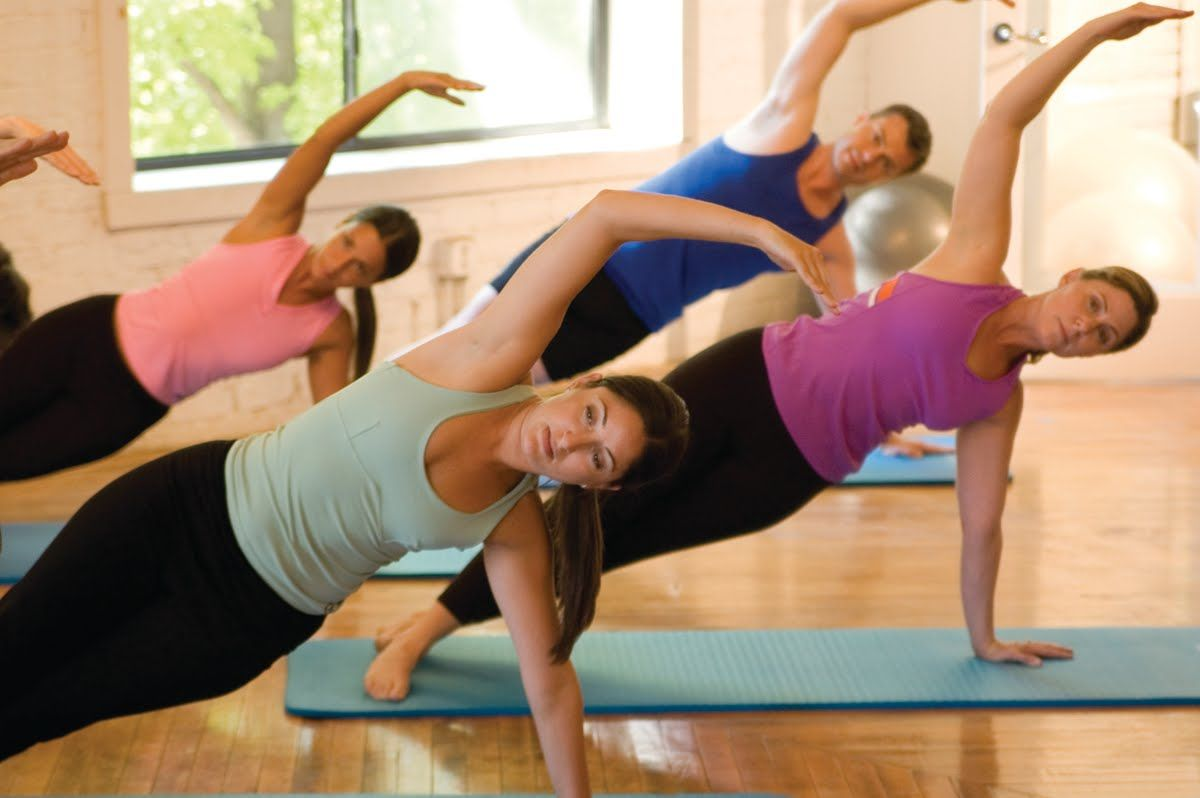
Starting a fitness journey can feel exciting and overwhelming at the same time. Many beginners are unsure where to begin, what exercises to perform, or how often they should work out. Some people believe they need expensive gym memberships, advanced equipment, or intense training programs to achieve results. In reality, the best workout routine for beginners is simple, consistent, and easy to maintain over time.
A beginner workout routine focuses on building a strong foundation rather than pushing the body to its limits. The goal is to improve strength, flexibility, endurance, and overall fitness while reducing the risk of injury. By starting slowly and progressing gradually, beginners can create sustainable habits that support long-term health and wellness.
Regular exercise provides benefits far beyond physical appearance. It improves energy levels, supports heart health, enhances mood, strengthens muscles, and boosts confidence. Even short daily workouts can lead to significant improvements when practiced consistently.
This guide explains everything beginners need to know about creating an effective workout routine. From understanding the basics to avoiding common mistakes, this article provides practical advice to help anyone start exercising safely and confidently while building a healthier lifestyle.
What is Beginner Workout Routine?
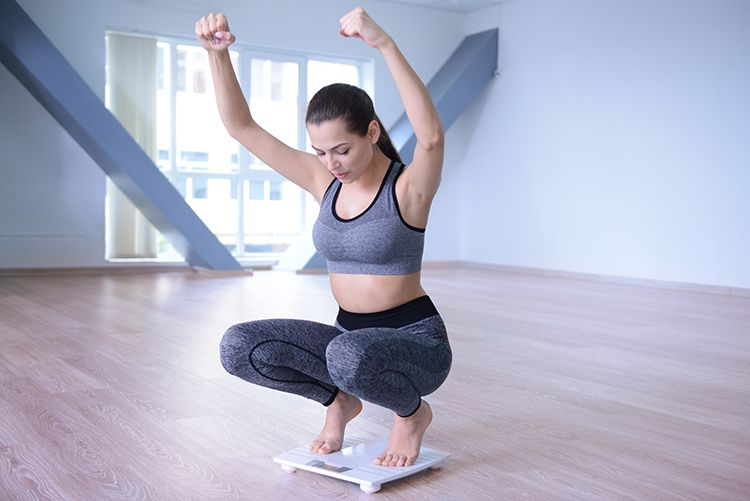
A beginner workout routine is a structured exercise plan specifically designed for individuals who are new to fitness or returning after a long break from physical activity. It includes simple exercises that improve strength, endurance, flexibility, and mobility without placing excessive stress on the body.
Unlike advanced training programs, beginner routines focus on mastering proper exercise form and building consistency. They usually combine bodyweight exercises, light cardio activities, stretching, and recovery periods to support gradual progress.
The purpose of a beginner workout routine is to prepare the body for more challenging exercises in the future while minimizing the risk of injury and burnout. Consistency and patience are more important than intensity during the early stages of fitness development.
Why is Beginner Workout Routine Important?
A beginner workout routine creates a strong fitness foundation that supports long-term success. Starting with appropriate exercises allows muscles, joints, and the cardiovascular system to adapt gradually to physical activity.
Many injuries occur when beginners attempt advanced exercises or train too intensely too soon. A structured routine prevents this by introducing movements progressively and allowing sufficient recovery time between sessions.
Exercise also improves mental well-being by reducing stress and increasing confidence. Developing a regular workout habit early makes it easier to maintain an active lifestyle and enjoy the physical and emotional benefits of fitness for years to come.
Detailed Step-by-Step Guide
Step 1: Set Clear and Realistic Goals
Before beginning any workout program, identify your goals. Some beginners want to lose weight, while others aim to gain strength, improve stamina, or increase flexibility.
Setting realistic goals helps maintain motivation and provides direction for your workouts. Small and achievable goals often lead to greater long-term success.
Step 2: Begin with a Warm-Up
A proper warm-up prepares muscles and joints for exercise. It increases blood circulation and reduces the likelihood of injury.
Spend five to ten minutes performing light activities such as walking, arm circles, leg swings, or gentle jogging in place before every workout session.
Step 3: Start with Cardio Exercises
Cardiovascular exercise improves heart health and endurance. Beginners should choose activities that are easy to perform and enjoyable.
Walking, cycling, swimming, or light jogging for fifteen to twenty minutes is an excellent starting point. Gradually increase duration and intensity as fitness improves.
Step 4: Add Bodyweight Strength Training
Strength training helps build muscle, improve posture, and increase metabolism. Beginners can achieve excellent results using bodyweight exercises without any equipment.
Recommended exercises include:
- Squats
- Push-ups
- Lunges
- Glute bridges
- Planks
Perform one to two sets of eight to twelve repetitions for each exercise during the first few weeks.
Step 5: Include Flexibility Training
Stretching improves mobility and reduces muscle stiffness after exercise. It also supports better movement patterns during workouts.
Spend five to ten minutes stretching major muscle groups including the legs, back, shoulders, and chest after each session.
Step 6: Follow a Weekly Schedule
Consistency matters more than workout duration. Beginners should aim for three to four exercise sessions each week.
A simple weekly plan may include:
- Monday: Cardio and stretching
- Wednesday: Strength training
- Friday: Cardio and bodyweight exercises
- Saturday: Walking and flexibility exercises
This schedule allows adequate recovery while maintaining progress.
Step 7: Focus on Proper Technique
Correct form is essential for preventing injuries and maximizing results. Performing exercises incorrectly can place unnecessary stress on joints and muscles.
Beginners should learn movements slowly and prioritize quality over quantity during every workout session.
Step 8: Increase Intensity Gradually
As fitness improves, workouts should become slightly more challenging. This process is called progressive overload.
Increase repetitions, exercise duration, or resistance slowly rather than making large jumps in difficulty.
Step 9: Prioritize Recovery
Muscles grow and recover during rest periods rather than during exercise itself. Recovery is an essential part of every successful workout routine.
Aim for seven to nine hours of quality sleep and allow at least one full rest day each week.
Step 10: Track Your Progress
Recording workouts helps identify improvements and maintain motivation. Tracking progress can include exercise duration, repetitions completed, body measurements, or energy levels.
Small improvements over time often lead to significant long-term results.
Benefits of Beginner Workout Routine
- Improves cardiovascular health.
- Increases muscular strength and endurance.
- Supports healthy weight management.
- Boosts metabolism and calorie burning.
- Enhances flexibility and mobility.
- Improves posture and body alignment.
- Reduces stress and anxiety levels.
- Increases energy throughout the day.
- Improves sleep quality.
- Strengthens bones and joints.
- Enhances balance and coordination.
- Builds confidence and self-esteem.
- Supports better concentration and productivity.
- Reduces the risk of chronic diseases.
- Encourages long-term healthy habits.
Disadvantages / Risks
- Overtraining may lead to fatigue and injury.
- Poor exercise technique can strain muscles and joints.
- Unrealistic expectations may reduce motivation.
- Skipping recovery days can slow progress.
- Excessive cardio without strength training may cause muscle loss.
- Sudden increases in workout intensity may increase injury risk.
- Inconsistent exercise habits can limit results.
- Ignoring pain signals may lead to more serious problems.
Common Mistakes to Avoid
One of the most common mistakes beginners make is doing too much too soon. Starting with long and intense workouts often causes soreness, exhaustion, and frustration. Gradual progression produces better results and improves consistency.
Another mistake is focusing only on cardio while neglecting strength training. Both forms of exercise are important for overall fitness and should be included in a balanced routine.
Many beginners also skip warm-ups and cool-down sessions. These activities improve performance and reduce injury risk. Proper preparation and recovery are essential parts of effective training.
Comparing progress with others is another major obstacle. Everyone develops fitness at different rates depending on age, lifestyle, and previous activity levels. Personal improvement should remain the primary focus.
FAQs
1. How many days per week should beginners work out?
Most beginners benefit from exercising three to four times per week. This schedule provides enough activity to improve fitness while allowing sufficient recovery between sessions.
2. Is it better to exercise at home or in a gym?
Both options can be effective. Home workouts offer convenience and lower costs, while gyms provide equipment and a motivating environment. The best choice depends on personal preferences and goals.
3. How long should a beginner workout last?
Most beginner workouts should last between thirty and forty-five minutes, including warm-up and cool-down periods. Consistency is more important than workout length.
4. Can beginners build muscle with bodyweight exercises?
Yes. Exercises such as squats, push-ups, lunges, and planks can build strength and muscle, especially during the early stages of training.
5. What should I eat before exercising?
A light meal or snack containing carbohydrates and protein about one to two hours before exercise can provide energy and improve performance.
6. Is muscle soreness normal after workouts?
Mild soreness is common when starting a new routine. However, severe pain or discomfort may indicate overtraining or poor exercise form and should not be ignored.
7. When will I start seeing results?
Many beginners notice improvements in energy and mood within a few weeks. Visible physical changes usually become noticeable after several weeks of consistent exercise and healthy nutrition.
8. Should I exercise if I feel tired?
Light activity such as walking or stretching may help improve energy levels. However, extreme fatigue may indicate that additional rest and recovery are necessary.
Expert Tips & Bonus Points
Choose exercises that you enjoy because enjoyable workouts are easier to maintain over time. Walking, cycling, swimming, dancing, and bodyweight training can all be effective options for beginners.
Prepare workout clothes and equipment in advance to remove obstacles that may reduce motivation. A simple routine that is easy to follow is often more successful than a complicated plan.
Stay hydrated before, during, and after exercise to support performance and recovery. Proper nutrition is equally important because exercise and healthy eating work together to improve fitness.
Celebrate small achievements throughout your journey. Completing a workout, increasing repetitions, or exercising consistently for a week are all important milestones worth recognizing.
Conclusion
A beginner workout routine is the first step toward a healthier and more active lifestyle. It provides a structured and safe approach to improving strength, endurance, flexibility, and overall well-being without overwhelming the body or mind.
The most successful fitness journeys do not begin with extreme workouts or complicated programs. Instead, they start with simple actions performed consistently over time. Walking regularly, performing bodyweight exercises, stretching, and allowing adequate recovery create the foundation for long-term success.
Beginners should focus on building habits rather than chasing immediate results. Progress may seem slow at first, but every workout contributes to improved health and confidence. Patience and consistency remain the most important factors in achieving lasting fitness improvements.
Exercise is not only about physical appearance. It improves mood, increases energy, reduces stress, and enhances overall quality of life. By following a beginner workout routine and staying committed to gradual progress, anyone can develop a sustainable fitness habit that delivers benefits for years to come.