
Introduction
High protein foods play an essential role in maintaining good health and supporting the body’s daily functions. Protein is one of the three major nutrients required by the human body, alongside carbohydrates and fats. It helps build muscles, repair tissues, produce enzymes, and support a healthy immune system. Despite its importance, many beginners are unsure about how much protein they need or which foods provide the best sources of it.
Modern lifestyles often include processed foods that are high in calories but low in nutritional value. Adding more high protein foods to daily meals can improve diet quality while helping individuals feel fuller for longer periods. This makes protein-rich foods especially useful for people who want to maintain a healthy weight, improve fitness levels, or simply increase their energy throughout the day.
Fortunately, incorporating protein into your diet does not require complicated meal plans or expensive supplements. Many affordable and easily available foods provide excellent sources of protein for people of all ages. From eggs and dairy products to fish, beans, and nuts, there are options suitable for every lifestyle and dietary preference.
This guide explores everything beginners need to know about high protein foods, including their importance, how to include them in daily meals, their benefits, possible risks, and expert recommendations for achieving balanced nutrition.
What is High Protein Foods?
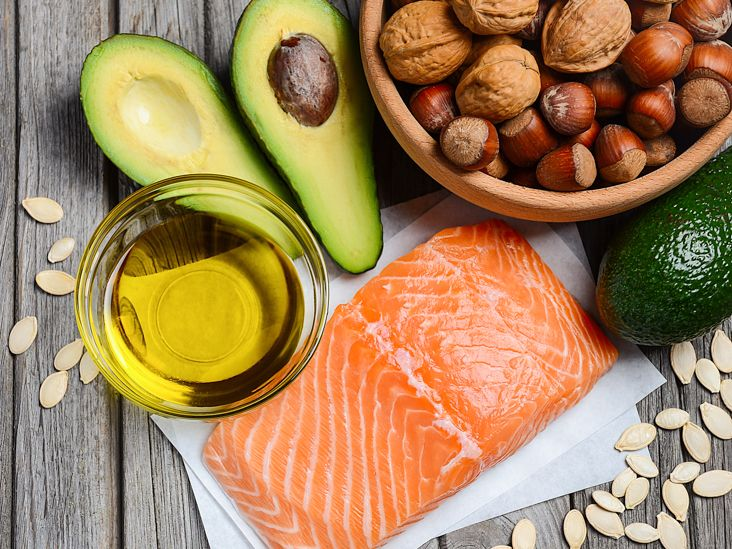
High protein foods are foods that contain large amounts of protein compared to their calorie content. Protein is made up of amino acids, which are often called the building blocks of life because they help create and repair muscles, skin, organs, and body tissues.
Examples of high protein foods include eggs, chicken breast, fish, yogurt, milk, lentils, beans, nuts, seeds, and soy products. Some foods contain complete proteins, meaning they provide all essential amino acids, while others may require combination with other foods to provide a complete amino acid profile.
High protein foods are important for people of all ages because the body cannot store protein in the same way it stores fats or carbohydrates. This means that regular consumption of protein-rich foods is necessary to maintain health and support body functions.
Choosing a variety of protein sources ensures that the body receives all essential nutrients while reducing the risk of nutritional imbalances over time.
Why is High Protein Foods Important?
Protein supports nearly every major function in the body. It helps build muscles, repair damaged tissues, produce hormones, and maintain healthy skin, hair, and nails. Without sufficient protein intake, the body may struggle to recover from illness, injury, or physical activity.
High protein foods are especially important for growing children, active individuals, older adults, and people recovering from medical conditions. They help preserve muscle mass and support overall physical performance.
Protein also plays a major role in appetite control. Protein-rich meals increase feelings of fullness, which may help reduce overeating and unnecessary snacking throughout the day.
In addition, adequate protein intake supports immune function and helps maintain strong bones and organs. For these reasons, including protein in daily meals is an important part of a balanced and healthy lifestyle.
Detailed Step-by-Step Guide
Step 1: Understand Your Daily Protein Needs
Before increasing protein intake, it is important to understand individual requirements. Protein needs vary depending on age, activity level, body weight, and health goals.
Most healthy adults require approximately 0.8 grams of protein per kilogram of body weight, while active individuals may need higher amounts to support recovery and muscle maintenance.
Step 2: Start Your Morning with Protein
Breakfast often lacks sufficient protein, especially when it consists mainly of sugary cereals or pastries. Starting the day with protein helps improve satiety and maintain energy levels.
Eggs, Greek yogurt, cottage cheese, milk, or peanut butter on whole-grain bread are excellent breakfast choices for beginners.
Step 3: Include Protein in Every Meal
Rather than consuming most protein in a single meal, distribute intake evenly throughout the day. This supports better muscle maintenance and nutrient absorption.
Adding chicken, fish, beans, lentils, eggs, or dairy products to lunch and dinner helps maintain consistent protein intake.
Step 4: Choose Lean Animal Proteins
Lean meats provide high-quality protein with lower amounts of saturated fat compared to processed meats.
Chicken breast, turkey, lean beef, fish, and seafood are excellent choices that support overall health and fitness goals.
Step 5: Add Plant-Based Protein Sources
Plant proteins provide important nutrients such as fiber, vitamins, and minerals alongside protein.
Beans, lentils, chickpeas, soybeans, quinoa, nuts, and seeds are valuable additions to a balanced diet and are suitable for vegetarians and vegans.
Step 6: Use Healthy Snacks
Many snacks contain excessive sugar and unhealthy fats. Replacing these with protein-rich alternatives improves nutritional quality.
Examples include yogurt, boiled eggs, nuts, roasted chickpeas, cheese, and protein smoothies.
Step 7: Read Nutrition Labels
Food labels help consumers identify products with higher protein content and lower amounts of added sugars and unhealthy fats.
Comparing labels allows better decision-making and helps maintain balanced nutrition.
Step 8: Stay Hydrated
Protein metabolism requires adequate water intake. Drinking enough water supports digestion and kidney function when consuming higher amounts of protein.
Hydration is especially important for physically active individuals and athletes.
Step 9: Avoid Excessive Protein Intake
While protein is beneficial, consuming extremely high amounts is usually unnecessary for most beginners.
Balance remains important, and healthy diets should include carbohydrates, fats, vitamins, and minerals alongside protein.
Step 10: Monitor Your Progress
Observe changes in energy levels, hunger, physical performance, and overall well-being after increasing protein intake.
Tracking meals and progress can help identify successful habits and areas for improvement.
Benefits of High Protein Foods
- Supports muscle growth and maintenance.
- Helps repair body tissues and cells.
- Improves feelings of fullness after meals.
- Assists with healthy weight management.
- Supports immune system function.
- Helps maintain healthy skin, hair, and nails.
- Improves muscle recovery after exercise.
- Supports healthy aging by preserving muscle mass.
- Stabilizes energy levels throughout the day.
- Helps maintain bone strength and density.
- Supports hormone and enzyme production.
- Reduces unnecessary snacking and cravings.
- Enhances physical performance and endurance.
- Contributes to better metabolic health.
- Encourages healthier food choices overall.
Disadvantages / Risks
- Excessive protein intake may increase calorie consumption.
- Relying heavily on processed meats can increase sodium intake.
- Some high protein foods may contain high amounts of saturated fat.
- Extremely high protein diets may reduce intake of important nutrients from other food groups.
- Certain individuals with kidney disease may require professional dietary advice.
- Protein supplements may contain added sugars and artificial ingredients.
- Overconsumption of animal proteins may reduce dietary fiber intake.
- Sudden increases in protein intake may cause digestive discomfort in some people.
Common Mistakes to Avoid
One common mistake is assuming that only meat contains protein. Many plant-based foods provide excellent protein sources and offer additional nutritional benefits such as fiber and antioxidants.
Another mistake is consuming large amounts of protein supplements while neglecting whole foods. Whole food sources provide vitamins, minerals, and other nutrients that supplements cannot fully replace.
Some beginners focus exclusively on protein while ignoring carbohydrates and healthy fats. Balanced nutrition is essential because the body requires all major nutrients for optimal performance.
Skipping meals and attempting to consume all daily protein at dinner is another frequent error. Spreading protein intake throughout the day improves nutrient utilization and helps maintain energy levels.
FAQs
1. What are the best high protein foods for beginners?
Eggs, chicken breast, fish, milk, yogurt, beans, lentils, and nuts are excellent choices for beginners because they are nutritious, affordable, and easy to prepare.
2. How much protein should I eat each day?
Protein requirements vary depending on age, weight, and activity level. Most adults need approximately 0.8 grams per kilogram of body weight, while athletes and active individuals may require more.
3. Can vegetarians get enough protein?
Yes. Vegetarians can obtain sufficient protein from beans, lentils, tofu, dairy products, nuts, seeds, and whole grains when consumed as part of a balanced diet.
4. Are protein supplements necessary?
Most people can meet their protein needs through regular foods. Supplements may be convenient for some individuals but are generally not essential for beginners.
5. Does eating protein help with weight loss?
Protein helps increase feelings of fullness and may reduce appetite, making it easier for some individuals to manage calorie intake and maintain a healthy weight.
6. Is too much protein harmful?
Very high protein intake may not provide additional benefits for most people and can contribute to excessive calorie consumption. Balance and moderation remain important.
7. Which fruits contain protein?
Although fruits are not major protein sources, guava, avocado, blackberries, apricots, and bananas contain small amounts of protein alongside vitamins and minerals.
8. Is protein important for older adults?
Yes. Protein becomes increasingly important with age because it helps preserve muscle mass, maintain strength, and support independence and mobility.
Expert Tips & Bonus Points
Choose whole food protein sources whenever possible instead of relying heavily on supplements or processed products. Whole foods provide a wider range of nutrients and support long-term health.
Prepare meals in advance to ensure that protein-rich options are always available during busy days. Meal planning reduces unhealthy choices and improves consistency.
Combine plant proteins such as rice and beans or whole grains and lentils to create complete protein profiles that contain all essential amino acids.
Include protein after exercise to support muscle recovery and improve physical performance over time. Even simple options such as yogurt or milk can be effective.
Rotate protein sources regularly to increase nutritional variety and prevent boredom with meals. Diversity in food choices supports overall wellness and improves dietary quality.
Conclusion
High protein foods are an essential part of a healthy and balanced diet. They support muscle growth, tissue repair, immune function, and overall physical performance while helping individuals maintain energy and satisfaction throughout the day. For beginners, understanding the importance of protein is one of the first steps toward improving nutrition and building healthier eating habits.
Fortunately, obtaining enough protein does not require complicated diets or expensive supplements. Many affordable foods such as eggs, fish, dairy products, beans, lentils, nuts, and seeds provide excellent sources of this important nutrient. Including a variety of these foods in daily meals ensures that the body receives the amino acids and nutrients it needs to function properly.
Balance remains the key to success. While protein offers many benefits, it should be consumed as part of a well-rounded diet that includes carbohydrates, healthy fats, fruits, and vegetables. Avoiding extreme diets and focusing on consistency leads to better long-term results.
By understanding protein needs and making informed food choices, beginners can improve their health, increase energy levels, support muscle maintenance, and enjoy a stronger foundation for lifelong wellness. Small dietary improvements made today can produce significant health benefits in the future.