
Introduction
Self-care is no longer considered a luxury or something reserved for weekends and vacations. In today’s fast-paced world, taking care of your physical, emotional, and mental well-being has become an essential part of maintaining a healthy lifestyle. Many beginners assume that self-care requires expensive spa treatments or long periods of free time, but true self-care often involves simple daily habits that support overall wellness.
The purpose of self-care is to restore energy, reduce stress, improve focus, and strengthen emotional resilience. When people neglect their own needs for extended periods, they often experience exhaustion, frustration, and reduced productivity. Even a few minutes dedicated to personal well-being each day can create noticeable improvements in mood and quality of life.
Self-care looks different for everyone because individual needs, responsibilities, and lifestyles vary. Some people benefit from exercise and healthy eating, while others find relaxation through reading, meditation, or spending time with loved ones. The key is finding practices that genuinely improve your well-being and making them part of your routine.
This guide explores self-care tips for beginners, explains their importance, and provides practical steps for building a sustainable self-care routine that supports long-term happiness and health.
What is Self-Care Tips?
Self-care tips are practical actions and habits designed to improve and maintain physical, emotional, mental, and social well-being. These practices help individuals manage stress, recover energy, and create balance in daily life.
Self-care is not selfish or irresponsible. Taking care of personal needs allows individuals to perform better at work, school, and in relationships. Effective self-care supports both immediate comfort and long-term health by encouraging healthier choices and better emotional management.
Why is Self-Care Tips Important?
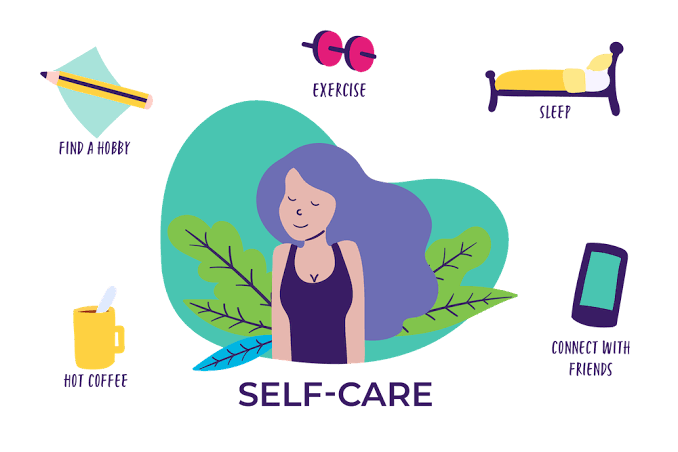
Modern life often involves busy schedules, constant digital distractions, and increasing levels of stress. Without proper self-care, these pressures can lead to burnout, anxiety, sleep problems, and reduced motivation.
Self-care helps restore energy and improve emotional stability. It also supports stronger immunity, healthier relationships, and greater productivity. People who practice regular self-care often feel more confident, focused, and prepared to handle challenges.
Detailed Step-by-Step Guide
Step 1: Prioritize Quality Sleep
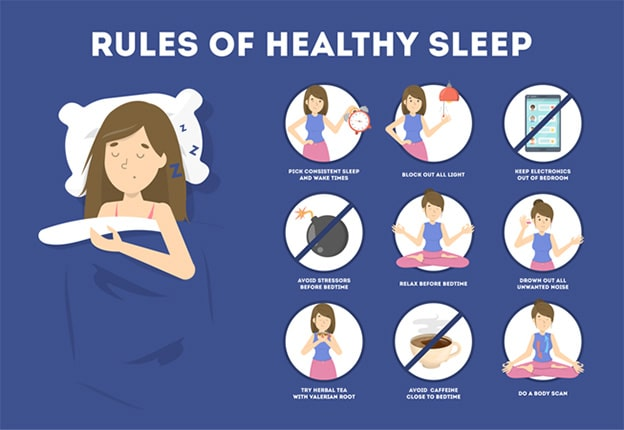
Sleep is one of the most important forms of self-care. The body repairs itself during sleep, while the brain processes information and restores energy.
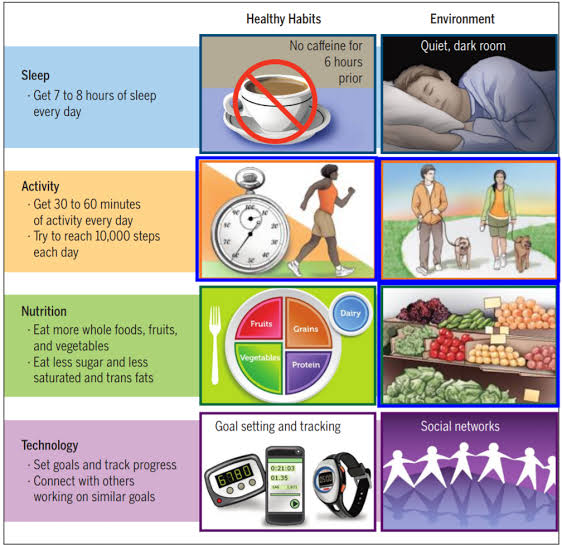
Aim for seven to nine hours of sleep each night by maintaining a consistent bedtime and limiting screen exposure before sleeping.
Step 2: Stay Properly Hydrated
Water supports digestion, circulation, energy production, and concentration. Dehydration can lead to headaches, fatigue, and difficulty focusing.
Keep a water bottle nearby throughout the day and develop the habit of drinking water regularly instead of waiting until you feel thirsty.
Step 3: Eat Balanced and Nutritious Meals
Food directly affects physical health and emotional well-being. Nutritious meals provide the body with the fuel needed for daily activities.
Include fruits, vegetables, lean proteins, healthy fats, and whole grains while reducing excessive processed foods and sugary drinks.
Step 4: Engage in Daily Physical Activity
Exercise improves cardiovascular health, strengthens muscles, and supports mental wellness by releasing mood-enhancing chemicals.
Beginners can start with walking, stretching, cycling, or light home exercises for twenty to thirty minutes each day.
Step 5: Practice Mindfulness and Relaxation
Mindfulness helps individuals stay present and manage stress more effectively. Relaxation techniques improve emotional balance and mental clarity.
Simple practices such as deep breathing, meditation, or quiet reflection for a few minutes each day can provide significant benefits.
Step 6: Create Healthy Boundaries
Many people become overwhelmed because they struggle to say no to unnecessary commitments and responsibilities.
Setting clear boundaries protects time, energy, and emotional health while reducing feelings of exhaustion and resentment.
Step 7: Limit Digital Overload
Constant notifications and excessive social media use can increase stress and negatively affect sleep and concentration.
Create technology-free periods during meals, family time, and before bedtime to support healthier habits.
Step 8: Spend Time Outdoors
Fresh air and natural environments contribute to better mood, reduced stress, and improved concentration.
Even a short daily walk in a park or garden can help refresh the mind and increase energy levels.
Step 9: Build Positive Relationships
Strong social connections are essential for emotional wellness and resilience during difficult periods.
Spend time with supportive family members and friends who encourage growth and positivity.
Step 10: Schedule Personal Enjoyment
Many adults forget to make time for hobbies and activities they genuinely enjoy.
Reading, painting, gardening, listening to music, or learning new skills can improve happiness and reduce stress.
Benefits of Self-Care Tips
- Improves physical health and energy levels.
- Reduces stress and emotional exhaustion.
- Supports stronger immune system function.
- Improves sleep quality and recovery.
- Increases productivity and concentration.
- Encourages healthier lifestyle choices.
- Improves emotional resilience during challenges.
- Strengthens confidence and self-esteem.
- Supports healthier relationships.
- Reduces the risk of burnout.
- Promotes better work-life balance.
- Improves mood and mental clarity.
- Encourages positive thinking patterns.
- Supports long-term health and wellness.
- Increases overall life satisfaction.
Disadvantages / Risks
- Excessive focus on self-care can become self-indulgent if responsibilities are ignored.
- Unrealistic expectations may lead to disappointment.
- Comparing self-care routines with others can reduce motivation.
- Spending excessively on wellness products can create financial pressure.
- Following social media trends without professional advice may be ineffective.
- Trying too many habits at once can become overwhelming.
- Extreme exercise or dieting may negatively affect health.
- Ignoring mental health needs while focusing only on physical wellness creates imbalance.
Common Mistakes to Avoid
One common mistake is believing that self-care requires expensive products or luxurious experiences. Effective self-care often involves simple activities such as sleeping well, exercising, eating healthy meals, and spending time with loved ones.
Another mistake is waiting until stress becomes overwhelming before taking action. Self-care works best when practiced consistently rather than only during difficult times. Prevention is usually more effective than recovery.
Many beginners also try to adopt too many habits at once. Starting with one or two manageable changes increases the chances of long-term success and consistency.
Ignoring emotional and mental health while focusing only on physical wellness is another frequent error. True self-care addresses every aspect of well-being.
FAQs
1. What is the easiest self-care habit for beginners?
Drinking more water, taking short walks, and maintaining a regular sleep schedule are among the easiest self-care habits to start with because they require minimal effort and resources.
2. How much time should I spend on self-care daily?
Even ten to fifteen minutes of intentional self-care each day can make a noticeable difference. The quality and consistency of the activity matter more than the amount of time spent.
3. Is self-care selfish?
No. Self-care helps individuals maintain the energy and emotional stability needed to support work responsibilities and relationships more effectively.
4. Can self-care improve mental health?
Yes. Exercise, proper sleep, mindfulness, and healthy social connections can significantly improve emotional well-being and reduce stress levels.
5. What should I do if I miss a day of self-care?
Missing a day is normal and should not be considered a failure. Simply return to your routine the next day and continue building consistency.
6. Does self-care require spending money?
Most self-care practices are free or inexpensive. Walking, meditation, hydration, reading, and spending time outdoors require little or no financial investment.
7. How can I stay consistent with self-care habits?
Scheduling activities, setting reminders, and attaching new habits to existing routines can improve consistency and make self-care easier to maintain.
8. Can self-care improve work performance?
Yes. People who practice regular self-care often experience better concentration, higher productivity, and improved problem-solving abilities.
Expert Tips & Bonus Points
Start with habits that take less than five minutes to complete because small actions are easier to maintain and gradually become part of daily life.
Track progress using a notebook, calendar, or habit-tracking application to increase motivation and accountability over time.
Combine self-care activities with existing routines to make them easier to remember. For example, practice gratitude after breakfast or stretch after waking up each morning.
Remember that self-care should adapt to changing circumstances and life stages. What works today may need adjustments in the future as priorities change.
Focus on consistency rather than perfection because regular effort creates more meaningful results than occasional intense motivation.
Conclusion
Self-care is one of the most valuable investments anyone can make in their physical, emotional, and mental well-being. Contrary to popular belief, self-care does not require expensive products, luxury experiences, or large amounts of free time. Instead, it is built through small and consistent actions that support health and happiness every day.
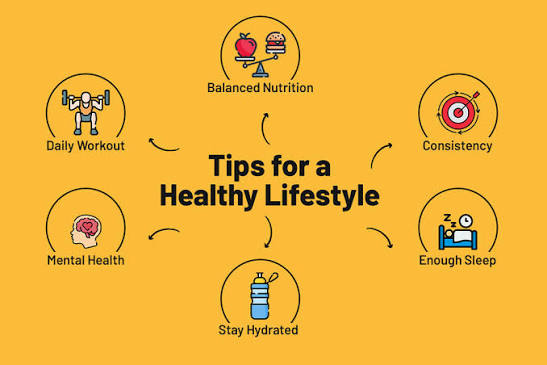
Simple habits such as getting enough sleep, staying hydrated, exercising regularly, managing stress, and maintaining supportive relationships can dramatically improve overall quality of life. These practices strengthen resilience and help individuals handle challenges more effectively while maintaining balance and positivity.
For beginners, the most important step is starting small and remaining consistent. Attempting to transform every aspect of life at once often leads to frustration and burnout. Choosing one or two manageable habits creates momentum and builds confidence for future improvements.
Self-care is not a destination that can be completed or perfected. It is an ongoing process of recognizing personal needs and responding to them in healthy and sustainable ways. By making self-care a daily priority, individuals can enjoy greater energy, stronger emotional health, and a more fulfilling and balanced life.