
Introduction
Daily wellness habits are the small actions people repeat every day to improve their physical health, mental well-being, emotional balance, and overall quality of life. Many beginners believe wellness requires expensive memberships, complicated diets, or intense exercise programs. In reality, long-term health improvements usually come from simple and consistent habits that fit naturally into everyday routines.
The modern lifestyle often encourages inactivity, stress, poor eating habits, and irregular sleep schedules. Over time, these behaviors can reduce energy levels and negatively affect both body and mind. Creating healthy daily routines helps build resilience, improve focus, and support long-term wellness goals. The best part is that anyone can begin with small changes and gradually create a healthier lifestyle without feeling overwhelmed.
What is Daily Wellness Habits?
Daily wellness habits are regular activities performed to support overall health and well-being. These habits include physical activities, healthy eating choices, stress management practices, proper hydration, quality sleep, and maintaining positive social connections. Each habit contributes to a healthier body and a healthier mind.
Unlike short-term health trends or temporary diets, wellness habits focus on consistency and sustainability. Their purpose is not to achieve quick results but to create long-lasting improvements that support health, productivity, and happiness throughout life.
Why is Daily Wellness Habits Important?

Daily wellness habits help create a strong foundation for physical and mental health. Small actions performed consistently often produce greater long-term benefits than occasional extreme efforts. Healthy routines improve energy levels, strengthen immunity, support emotional stability, and increase overall life satisfaction.
These habits also reduce the risk of chronic illnesses such as obesity, heart disease, diabetes, and high blood pressure. Beyond physical health, wellness habits improve concentration, reduce stress, and help individuals feel more balanced and in control of their daily lives.
Detailed Step-by-Step Guide
Step 1: Begin Your Morning with Water
After sleeping for several hours, the body naturally becomes dehydrated. Drinking a glass of water immediately after waking helps activate digestion, improve circulation, and support brain function.
Keeping a bottle of water beside the bed can make this habit easier to maintain and encourages proper hydration from the beginning of the day.
Step 2: Practice Morning Stretching
Stretching helps wake up muscles and joints after a long period of rest. Simple stretching exercises improve flexibility and increase blood flow throughout the body.
A five-minute routine that includes shoulder rolls, neck stretches, and gentle leg movements can prepare the body for a productive day ahead.
Step 3: Eat a Nutritious Breakfast
Breakfast provides the body with the energy required for concentration and productivity. Skipping breakfast may result in fatigue and reduced focus later in the day.
Healthy breakfast options include eggs, fruits, oatmeal, yogurt, nuts, and whole grains that provide lasting energy and essential nutrients.
Step 4: Include Daily Physical Activity
Exercise does not always mean spending hours in a gym. Walking, cycling, swimming, dancing, and bodyweight exercises are effective ways to stay active.
Beginners should aim for at least thirty minutes of moderate physical activity most days of the week to support overall wellness.
Step 5: Stay Hydrated Throughout the Day
Water plays a vital role in digestion, temperature control, nutrient transport, and energy production. Even mild dehydration can affect concentration and mood.
Carrying a reusable water bottle throughout the day serves as a reminder to drink water regularly and maintain proper hydration levels.
Step 6: Choose Nutrient-Rich Foods
Balanced nutrition supports growth, repair, and overall body function. Meals should include vegetables, fruits, proteins, healthy fats, and whole grains.
Reducing processed foods, sugary drinks, and excessive snacks can improve energy levels and contribute to better long-term health outcomes.
Step 7: Take Regular Mental Breaks
Working continuously without rest can lead to fatigue and reduced productivity. Short breaks help refresh the mind and improve focus.
Taking a short walk, stretching, or practicing deep breathing for a few minutes can improve mental clarity and reduce stress.
Step 8: Limit Excessive Screen Time
Many people spend several hours each day using computers, phones, and televisions. Excessive screen time may affect sleep quality and eye health.
Setting specific times for technology use and taking screen breaks can help create a healthier relationship with digital devices.
Step 9: Practice Gratitude
Gratitude encourages positive thinking and emotional resilience. Spending a few minutes each day reflecting on positive experiences can improve mood.
Writing three things you are thankful for each evening is a simple but effective way to develop this habit.
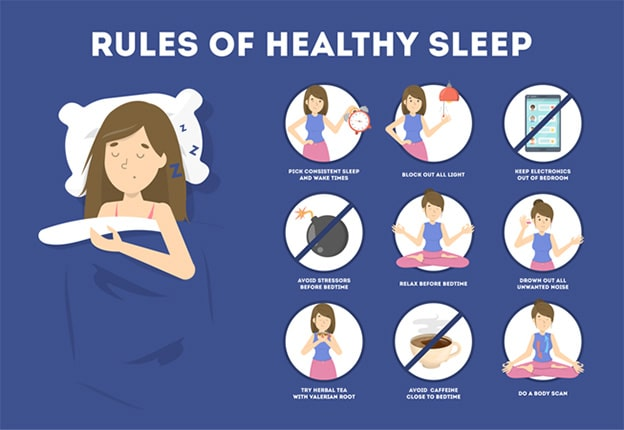
Step 10: Prioritize Quality Sleep
Sleep allows the body and mind to recover from daily activities. Poor sleep can negatively affect memory, mood, and physical health.
Creating a regular sleep schedule and reducing screen exposure before bedtime can improve sleep quality significantly.
Benefits of Daily Wellness Habits
Daily wellness habits provide numerous physical and mental benefits that improve overall quality of life and support long-term health goals.
The following benefits are commonly experienced by individuals who maintain healthy routines consistently:
- Improved physical health and fitness.
- Increased daily energy levels.
- Better concentration and productivity.
- Stronger immune system function.
- Improved sleep quality and recovery.
- Reduced stress and anxiety.
- Better emotional balance and mood.
- Lower risk of chronic diseases.
- Improved self-confidence and self-discipline.
- Enhanced digestion and metabolism.
- Better body weight management.
- Increased motivation and resilience.
- Improved relationships and communication skills.
- Greater overall happiness and life satisfaction.
Disadvantages / Risks
Although wellness habits are generally beneficial, unrealistic expectations or improper approaches may create challenges for beginners.
Understanding these risks helps individuals create sustainable routines and avoid unnecessary pressure:
- Trying to change too many habits at once.
- Setting unrealistic goals that are difficult to maintain.
- Becoming discouraged by slow progress.
- Following extreme diets without professional guidance.
- Exercising excessively without adequate recovery.
- Ignoring mental health while focusing only on physical fitness.
- Comparing personal progress with others.
- Creating unnecessary stress around healthy living.
Common Mistakes to Avoid
One of the most common mistakes is attempting to completely transform your lifestyle overnight. Sudden and dramatic changes often become overwhelming and difficult to sustain. Starting with one or two habits increases the chances of long-term success.
Another mistake is focusing only on exercise while ignoring nutrition, sleep, hydration, and stress management. Wellness is most effective when all areas of health receive attention and support through balanced daily routines.
FAQs
1. How long does it take to develop a wellness habit?
The time required varies from person to person and depends on the complexity of the habit. Some habits may become automatic within a few weeks, while others require several months of consistent practice.
The most important factor is consistency rather than speed. Repeating a habit regularly eventually makes it part of daily life.
2. What is the easiest wellness habit for beginners?
Drinking more water and taking daily walks are among the easiest habits to begin with because they require little effort and no special equipment.
These simple activities provide immediate benefits and often encourage individuals to adopt additional healthy habits over time.
3. Do daily wellness habits require expensive products?
Most wellness habits are inexpensive or completely free. Walking, stretching, sleeping well, and practicing gratitude cost little or nothing.
Good health is usually built through consistency and healthy choices rather than expensive products or memberships.
4. Can wellness habits improve mental health?
Regular exercise, proper sleep, mindfulness, and gratitude practices can significantly improve mood and reduce stress levels.
These habits support emotional stability and help individuals manage daily challenges more effectively.
5. How many habits should beginners start with?
Starting with one or two habits is usually the most effective approach because it prevents overwhelm and improves consistency.
Once those habits become part of the routine, additional wellness practices can be introduced gradually.
6. What should I do if I miss a day?
Missing a single day does not mean failure. Everyone experiences interruptions and setbacks occasionally.
The best approach is to continue the habit the next day rather than allowing one missed day to become a permanent break.
7. Are morning routines necessary for wellness?
Morning routines can provide structure and improve productivity, but they are not essential for everyone.
Wellness habits can be practiced at different times of the day depending on personal schedules and preferences.
8. Can children and older adults follow wellness habits?
Yes, wellness habits are beneficial for people of all ages and can be adjusted according to individual needs and abilities.
Simple activities such as walking, proper hydration, healthy eating, and adequate sleep support lifelong health.
Expert Tips & Bonus Points
Start with habits that require less than five minutes to complete because simple routines are easier to maintain and less intimidating for beginners.
Using reminders, calendars, or habit-tracking tools can improve consistency and motivation while making progress easier to monitor over time.
Pair new habits with existing routines to make them easier to remember. For example, drinking water after brushing your teeth or stretching after waking up can help create stronger habit connections.
Focus on progress rather than perfection because sustainable improvement comes from consistent effort rather than occasional intense actions.
Conclusion
Daily wellness habits are powerful because they rely on small actions repeated consistently over time. Drinking enough water, exercising regularly, eating nutritious foods, managing stress, and getting enough sleep may appear simple, but together they create significant improvements in health and well-being. These habits strengthen the body, support emotional balance, and improve productivity in everyday life.
For beginners, the most important step is simply starting. Choosing one healthy habit and practicing it daily creates momentum and builds confidence. Over time, these small actions become automatic behaviors that contribute to a healthier lifestyle without requiring major sacrifices or dramatic changes.
Wellness is not about perfection or achieving results overnight. It is a continuous journey of making choices that support long-term health and happiness. Every positive decision, no matter how small, contributes to future well-being and personal growth.
By adopting daily wellness habits and remaining consistent, anyone can improve energy levels, increase resilience, reduce stress, and enjoy a healthier and more fulfilling life. The habits you choose today can become the foundation for a stronger, happier, and healthier tomorrow.