
Introduction
Living a healthy life does not require expensive memberships, strict diets, or complicated routines. A healthy lifestyle is built through small, consistent habits that improve physical health, mental well-being, and overall quality of life. Many beginners believe they need to transform their entire routine overnight, but long-term success usually comes from gradual changes that become part of everyday life.
Modern lifestyles often involve long working hours, excessive screen time, unhealthy food choices, stress, and poor sleep patterns. These habits can affect energy levels, productivity, and health over time. Fortunately, adopting healthy lifestyle habits can reverse many of these issues and help people feel stronger, happier, and more focused in their daily activities.
The journey toward better health begins with understanding the basics of nutrition, exercise, sleep, hydration, and stress management. Each area contributes to overall wellness, and improving one aspect often creates positive changes in others as well. Beginners should focus on progress rather than perfection and celebrate small achievements along the way.
This guide explains the fundamentals of healthy living, why it matters, and practical steps that anyone can follow to build healthier habits that last for years.
What is Healthy Lifestyle Tips?
Healthy lifestyle tips refer to practical habits and actions that support physical, mental, and emotional well-being. These habits help individuals maintain good health, prevent diseases, and improve overall life satisfaction.
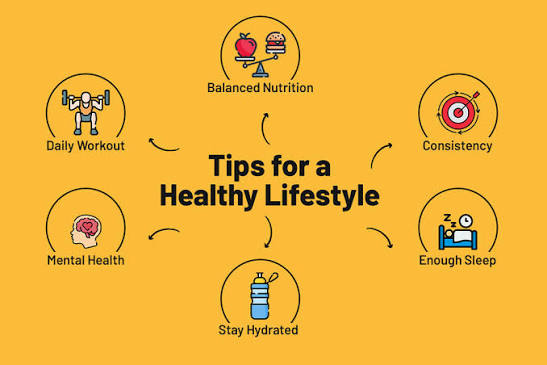
A healthy lifestyle includes eating nutritious foods, staying physically active, getting enough sleep, drinking sufficient water, managing stress effectively, and avoiding harmful habits such as smoking or excessive consumption of unhealthy foods. These simple practices work together to create a balanced and sustainable way of living.
Why is Healthy Lifestyle Important?

A healthy lifestyle plays a major role in preventing chronic illnesses such as heart disease, obesity, diabetes, and high blood pressure. It strengthens the immune system and helps the body function more efficiently throughout life.
Beyond physical health, healthy habits improve mood, concentration, confidence, and emotional stability. People who follow healthy routines often experience higher energy levels, better productivity, and improved relationships due to reduced stress and improved mental clarity.
Detailed Step-by-Step Guide to Building a Healthy Lifestyle
Creating a healthy lifestyle does not happen instantly. Following these steps can help beginners establish lasting habits and achieve long-term success.
Step 1: Start Your Day with a Healthy Breakfast
Breakfast provides energy for the body and brain after several hours without food. Skipping breakfast may lead to overeating later in the day and lower energy levels.
Choose foods rich in protein, fiber, and healthy carbohydrates such as eggs, oats, fruits, yogurt, and whole grains. These foods provide sustained energy and improve concentration throughout the morning.
Step 2: Drink Enough Water Daily
Water supports digestion, circulation, temperature regulation, and nutrient transportation throughout the body. Dehydration can cause fatigue, headaches, and reduced focus.
Most adults should aim to drink around eight glasses of water daily, although individual needs may vary depending on activity levels and climate conditions. Carrying a reusable water bottle can help maintain proper hydration.
Step 3: Eat More Fruits and Vegetables
Fruits and vegetables contain essential vitamins, minerals, antioxidants, and fiber that support overall health and reduce the risk of diseases.
Try to include a variety of colorful produce in every meal. Different colors provide different nutrients, making variety an important part of healthy eating.
Step 4: Reduce Processed Foods
Highly processed foods often contain excessive amounts of sugar, salt, and unhealthy fats. Frequent consumption may contribute to weight gain and various health problems.
Replace processed snacks with healthier alternatives such as nuts, fruits, yogurt, or homemade meals prepared with fresh ingredients whenever possible.
Step 5: Exercise Regularly
Physical activity strengthens muscles, improves cardiovascular health, and supports mental well-being. Exercise does not have to involve intense workouts or expensive equipment.
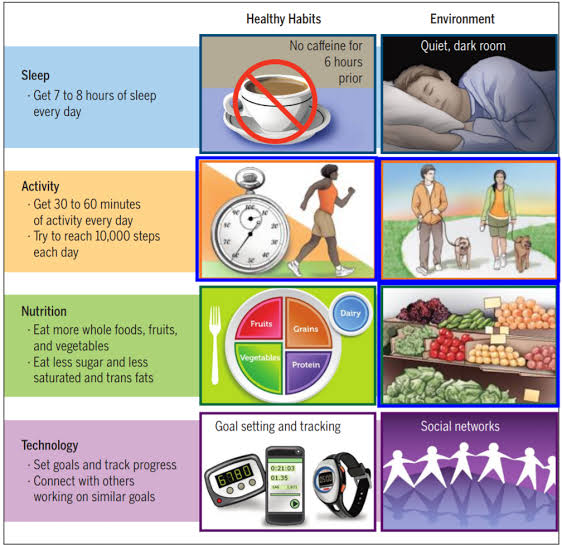
Beginners can start with walking, cycling, swimming, or light home exercises for at least thirty minutes most days of the week. Consistency matters more than intensity during the early stages.
Step 6: Prioritize Quality Sleep
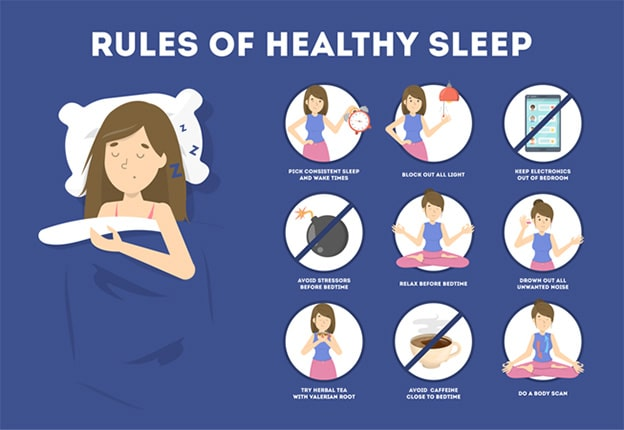
Sleep is essential for recovery, memory, immune function, and emotional health. Poor sleep habits can negatively affect concentration, mood, and metabolism.
Aim for seven to nine hours of sleep each night and maintain a consistent bedtime schedule. Limiting screen time before bed can also improve sleep quality.
Step 7: Manage Stress Effectively
Stress is a natural part of life, but chronic stress can impact physical and mental health. Learning healthy coping strategies is important for long-term wellness.
Activities such as deep breathing, reading, walking, prayer, meditation, and spending time with loved ones can help reduce stress and improve emotional balance.
Step 8: Limit Sugar Intake
Excessive sugar consumption can contribute to obesity, diabetes, and dental problems. Many packaged foods and drinks contain hidden sugars that people consume unknowingly.
Reading food labels and choosing natural alternatives can help reduce daily sugar intake without sacrificing taste or enjoyment.
Step 9: Avoid Smoking and Excessive Alcohol Consumption
Smoking damages nearly every organ in the body and significantly increases the risk of serious diseases. Excessive alcohol consumption can also affect liver health and mental well-being.
Avoiding these harmful habits greatly improves long-term health outcomes and increases life expectancy.
Step 10: Stay Consistent and Track Progress
Healthy living is a lifelong journey rather than a short-term project. Tracking progress through journals, mobile apps, or simple checklists can increase motivation.
Small improvements repeated consistently often produce better results than extreme changes that are difficult to maintain.
Benefits of Healthy Lifestyle Tips
Healthy lifestyle habits offer numerous advantages that improve both physical and mental well-being. The positive effects often become noticeable within a few weeks of consistent effort.
Some major benefits include:
- Improved energy levels throughout the day.
- Better heart health and circulation.
- Stronger immune system function.
- Reduced risk of chronic diseases.
- Better mood and emotional stability.
- Improved concentration and memory.
- Healthier body weight management.
- Better sleep quality.
- Increased confidence and self-esteem.
- Longer life expectancy.
- Stronger muscles and bones.
- Improved digestion and gut health.
- Reduced stress and anxiety levels.
- Better skin appearance and hydration.
- Greater productivity in work and studies.
Disadvantages / Risks
Although healthy living offers many advantages, certain approaches can create challenges if not managed properly.
Possible disadvantages or risks include:
- Becoming overly restrictive with diets may lead to nutritional deficiencies.
- Excessive exercise can increase the risk of injury.
- Following unrealistic health trends may cause disappointment.
- Sudden lifestyle changes can feel overwhelming for beginners.
- Obsessing over calories or weight can negatively affect mental health.
- Some healthy foods may initially appear more expensive than processed alternatives.
- Lack of patience may lead people to quit before seeing results.
Common Mistakes to Avoid
Many beginners make mistakes that slow their progress or reduce motivation. Understanding these common errors can help create a more successful health journey.
One common mistake is trying to change everything at once. Making too many changes simultaneously often leads to burnout and frustration. Focus on one or two habits at a time before adding more goals.
Another mistake is skipping meals in an attempt to lose weight quickly. Skipping meals can lower energy levels and increase cravings later in the day, making healthy choices more difficult.
Many people also underestimate the importance of sleep. Even the best diet and exercise plan cannot fully compensate for chronic sleep deprivation.
Comparing progress with others is another obstacle. Every individual has different genetics, lifestyles, and starting points. Measuring personal improvement is far more useful than comparing with someone else’s journey.
Finally, inconsistency often prevents long-term success. Healthy living depends on regular habits rather than occasional periods of perfection.
FAQs
1. How long does it take to develop healthy habits?
Research suggests that building a new habit can take several weeks or even months depending on the behavior and individual circumstances. Consistency is more important than speed.
2. Do I need a gym membership to live a healthy lifestyle?
No. Walking, jogging, cycling, bodyweight exercises, and home workouts can provide excellent health benefits without requiring a gym membership.
3. What is the easiest healthy habit to start with?
Drinking more water and taking a daily walk are among the simplest habits that provide immediate benefits for most beginners.
4. Can healthy eating be affordable?
Yes. Buying seasonal fruits, vegetables, whole grains, and preparing meals at home often costs less than purchasing fast food regularly.
5. How much exercise should beginners do?
Most health experts recommend at least 150 minutes of moderate exercise per week, which can be divided into manageable sessions throughout the week.
6. Is it okay to have occasional unhealthy meals?
Yes. Occasional treats are part of a balanced lifestyle. Consistency over time matters more than perfection on any single day.
7. Why is sleep considered part of a healthy lifestyle?
Sleep supports recovery, hormone balance, immune function, memory, and emotional health. Poor sleep can reduce the effectiveness of healthy eating and exercise habits.
8. What should I do if I lose motivation?
Return to small, achievable goals and remind yourself why you started. Tracking progress and celebrating small wins can help rebuild motivation.
Expert Tips & Bonus Points
Health experts recommend focusing on sustainable habits rather than temporary solutions. Small daily actions create lasting results over time.
Additional expert tips include:
- Prepare meals in advance to avoid unhealthy choices.
- Keep healthy snacks available at home and work.
- Use smaller plates to improve portion control.
- Spend time outdoors whenever possible.
- Stretch regularly to improve flexibility and mobility.
- Limit screen time before sleeping.
- Practice gratitude to improve mental health.
- Build a support system of friends or family members.
- Schedule health checkups regularly.
- Reward progress with non-food rewards such as books or experiences.
Conclusion
A healthy lifestyle is not about perfection or extreme discipline. It is about making practical choices that support long-term physical and mental well-being. Small actions such as drinking more water, exercising regularly, eating nutritious foods, and getting enough sleep can create powerful improvements over time.
Beginners often feel overwhelmed by the amount of health information available today, but the most effective strategies are usually the simplest ones. Focus on consistency rather than intensity and understand that setbacks are a normal part of the journey. Every positive decision contributes to better health, even if progress appears slow at first.
Building healthy habits gradually makes them easier to maintain for years rather than weeks. Choosing realistic goals, tracking progress, and staying patient can help transform healthy living from a temporary effort into a permanent lifestyle.
The path to better health begins with a single step. Whether that step is taking a short walk, drinking an extra glass of water, or choosing a healthier meal, each action moves you closer to a stronger, happier, and healthier future.