
Introduction
Anxiety is a natural response to stress, uncertainty, or challenging situations. Almost everyone experiences anxious feelings at some point in life, whether before an important exam, a job interview, or a major life decision. While occasional anxiety is normal, persistent anxiety can affect concentration, sleep, relationships, and overall quality of life. The good news is that there are practical techniques that can help reduce anxiety and restore a sense of calm.
Many people believe anxiety relief requires complicated therapies or expensive treatments. In reality, simple daily habits can make a significant difference. Breathing exercises, mindfulness practices, physical movement, healthy routines, and positive thinking strategies can all help manage anxious feelings effectively. These techniques are especially valuable for beginners because they are easy to learn and can be practiced almost anywhere.
Understanding how anxiety works is the first step toward managing it. Once people recognize their triggers and learn healthy coping methods, they often feel more in control of their emotions and reactions. Anxiety relief techniques are not about eliminating stress completely but about developing the ability to respond to stress in healthier ways.
This guide explains what anxiety relief techniques are, why they matter, and how beginners can use them step by step to improve emotional well-being and create a calmer, more balanced life.
What is Anxiety Relief Techniques?
Anxiety relief techniques are methods and practices designed to reduce feelings of worry, nervousness, fear, and stress. These techniques help calm the body’s stress response and encourage mental relaxation. They may involve breathing exercises, mindfulness activities, physical movement, relaxation methods, and lifestyle changes that support emotional health.
The purpose of these techniques is not to remove every stressful situation from life but to improve the ability to manage stress effectively. When practiced regularly, anxiety relief strategies can train the mind and body to respond more calmly to challenges, making everyday situations feel less overwhelming and more manageable.
Why is Anxiety Relief Techniques Important?
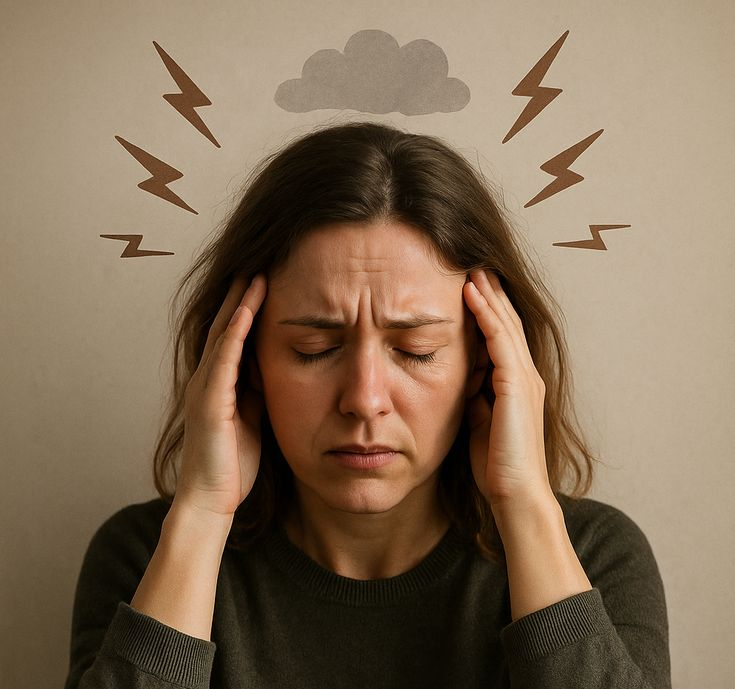
Managing anxiety is important because chronic stress can affect both physical and mental health. Prolonged anxiety may lead to fatigue, headaches, sleep disturbances, difficulty concentrating, and emotional exhaustion. Learning anxiety relief methods helps reduce these negative effects and improves overall well-being.
Anxiety management is also important for productivity, relationships, and personal growth. People who learn healthy coping strategies often communicate better, make decisions more clearly, and maintain stronger emotional resilience during difficult times. Building these skills early can provide lifelong benefits.
Detailed Step-by-Step Guide
Step 1: Practice Deep Breathing
Deep breathing is one of the fastest ways to calm the nervous system. Anxiety often causes shallow breathing, which signals the body to remain in a stressed state. Slow breathing sends the opposite message and encourages relaxation.
Sit comfortably and inhale slowly through your nose for four seconds. Hold your breath for four seconds and exhale gently through your mouth for six seconds. Repeat this process for five to ten minutes whenever anxiety appears.
Step 2: Use the Grounding Technique
Grounding techniques help bring attention back to the present moment instead of worrying about future events or past experiences. A popular method is the 5-4-3-2-1 exercise.
Identify five things you can see, four things you can touch, three things you can hear, two things you can smell, and one thing you can taste. This simple exercise redirects focus away from anxious thoughts and back to reality.
Step 3: Engage in Physical Activity
Exercise helps reduce stress hormones while increasing chemicals that improve mood and relaxation. Physical movement does not need to be intense to be effective.
Walking for twenty minutes, stretching, cycling, or performing light exercises can significantly improve emotional well-being. Consistency is more important than intensity, so choose activities that are enjoyable and sustainable.
Step 4: Practice Mindfulness Meditation
Mindfulness means paying attention to the present moment without judgment. Anxiety often grows when the mind constantly predicts worst-case scenarios.
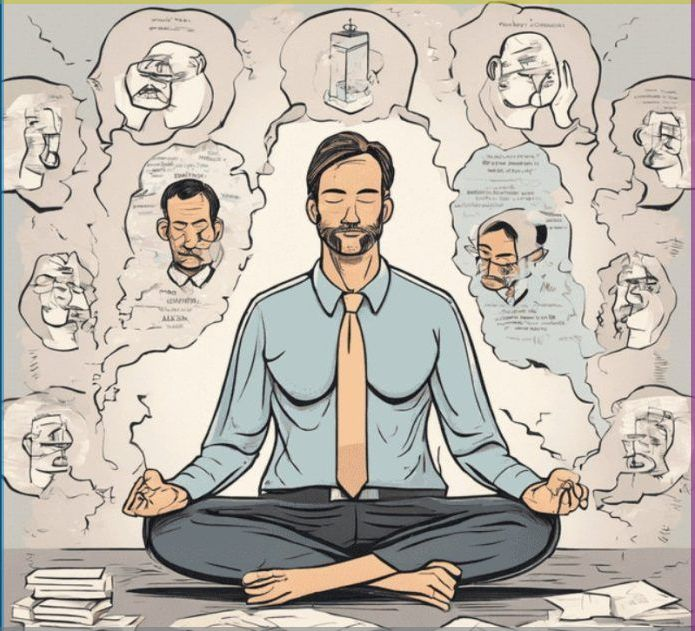
Spend five to ten minutes each day sitting quietly and focusing on your breathing. If thoughts appear, simply acknowledge them and return attention to your breath. Over time, this practice strengthens mental control and reduces overthinking.
Step 5: Improve Sleep Habits
Poor sleep and anxiety often create a cycle that feeds itself. Improving sleep quality can greatly reduce anxious feelings during the day.
Maintain a consistent sleep schedule, avoid heavy meals before bedtime, and reduce screen exposure at night. Creating a calm sleeping environment supports deeper and more restorative rest.
Step 6: Limit Caffeine Intake
Caffeine stimulates the nervous system and may increase symptoms such as rapid heartbeat, restlessness, and nervousness in sensitive individuals.
If anxiety levels are high, consider reducing coffee, energy drinks, and highly caffeinated beverages. Replacing them with water or herbal drinks may improve calmness and focus.
Step 7: Keep a Journal
Writing down thoughts can reduce mental clutter and provide insight into anxiety triggers. Journaling helps organize emotions and identify patterns that might otherwise go unnoticed.
Spend a few minutes each day writing about worries, achievements, and feelings. Many people find that simply expressing thoughts on paper reduces emotional intensity.
Step 8: Develop Positive Self-Talk
Negative thinking patterns often increase anxiety and self-doubt. Replacing these thoughts with balanced and realistic statements can improve emotional stability.
Instead of thinking, “I cannot handle this,” try saying, “This situation is difficult, but I can manage it step by step.” Repeating supportive thoughts strengthens confidence over time.
Step 9: Connect with Supportive People
Social support plays a major role in emotional health. Talking to trusted friends, family members, or mentors can provide reassurance and practical advice.
Sharing concerns with someone supportive often reduces feelings of isolation and makes challenges feel more manageable.
Step 10: Create a Daily Relaxation Routine
A regular relaxation routine trains the body to shift into a calmer state more easily. Small habits practiced consistently often provide the greatest long-term results.
Consider reading, listening to calming music, stretching, spending time outdoors, or practicing gratitude exercises every day to maintain emotional balance.
Benefits of Anxiety Relief Techniques
- Helps lower stress levels naturally.
- Improves concentration and mental clarity.
- Supports better sleep quality and recovery.
- Reduces physical symptoms associated with anxiety.
- Encourages emotional resilience during difficult situations.
- Improves decision-making abilities.
- Enhances productivity and work performance.
- Strengthens relationships through improved communication.
- Increases self-awareness and emotional intelligence.
- Promotes long-term mental well-being and life satisfaction.
Disadvantages / Risks
- Some techniques require patience before noticeable results appear.
- Individuals may become discouraged if they expect instant improvement.
- Certain methods may not work equally well for everyone.
- Severe anxiety may require professional support in addition to self-help techniques.
- Inconsistent practice can reduce effectiveness.
- Misinterpreting anxiety symptoms may delay appropriate treatment when needed.
- Excessive focus on self-monitoring can sometimes increase worry in certain individuals.
Common Mistakes to Avoid
One common mistake is expecting anxiety to disappear immediately after trying a technique once or twice. Most anxiety management strategies work gradually and require consistent practice to produce meaningful results.
Another mistake is avoiding every stressful situation. While avoidance may provide temporary relief, it often increases anxiety in the long term by reinforcing fear and uncertainty.
Many beginners also ignore lifestyle factors such as sleep, nutrition, and physical activity. These elements play a major role in emotional health and should be considered part of any anxiety management plan.
Comparing progress with others is another problem. Everyone experiences anxiety differently, and improvement happens at different speeds. Focusing on personal progress is more productive than making comparisons.
Some people use only one technique and stop if it does not work immediately. Combining several strategies often produces better results because anxiety has multiple causes and triggers.
Finally, ignoring persistent or severe anxiety symptoms can be harmful. Professional guidance may be beneficial when anxiety begins interfering with daily responsibilities or relationships.
FAQs
1. What is the fastest anxiety relief technique?
Deep breathing exercises are often among the fastest methods because they quickly calm the body’s stress response. Many people notice improvements within a few minutes of slow, controlled breathing.
2. Can exercise really reduce anxiety?
Yes, regular physical activity helps lower stress hormones and increases chemicals associated with positive mood and relaxation. Even moderate exercise can produce noticeable benefits.
3. How long does it take for anxiety relief techniques to work?
Some methods, such as breathing exercises, can work within minutes, while others, such as mindfulness meditation and journaling, may require several weeks of consistent practice to show significant improvements.
4. Are anxiety relief techniques suitable for beginners?
Absolutely. Most techniques are simple, affordable, and easy to practice at home. Beginners can start with breathing exercises, walking, and mindfulness practices.
5. Can diet affect anxiety levels?
Yes, nutrition can influence mood and energy levels. Excessive caffeine, sugar, and irregular eating patterns may increase feelings of nervousness in some individuals.
6. Should anxiety relief techniques replace professional support?
Self-help techniques are valuable tools, but they may not replace professional assistance when anxiety becomes severe or significantly affects daily life. Professional guidance can provide additional support and treatment options.
7. Is mindfulness difficult to learn?
Mindfulness is simple but requires practice. Beginners often find their minds wandering, which is completely normal. Regular practice improves focus and awareness over time.
Expert Tips & Bonus Points
Start with one or two techniques rather than trying everything at once. Small changes are easier to maintain and often lead to better long-term habits.
Create a daily schedule for relaxation activities. Treating anxiety management as a routine rather than an emergency response improves consistency and effectiveness.
Track progress in a notebook or journal. Recording improvements helps maintain motivation and identifies which techniques work best.
Spend time in nature whenever possible. Outdoor environments can reduce stress and improve mood naturally.
Practice gratitude by writing down three positive experiences each day. This simple habit encourages the mind to notice positive aspects of life rather than focusing only on worries.
Avoid excessive exposure to stressful news or social media content, especially before bedtime. Creating healthy boundaries with information sources can improve emotional balance.
Celebrate small victories. Recognizing progress, even if it seems minor, strengthens confidence and encourages continued effort.
Conclusion
Anxiety is a common experience, but it does not have to control everyday life. Learning and practicing anxiety relief techniques can help individuals develop healthier responses to stress and build greater emotional resilience. Simple actions such as deep breathing, exercise, mindfulness, journaling, and improving sleep habits can create meaningful improvements over time.
The key to success is consistency rather than perfection. Many beginners become frustrated because they expect immediate results, but emotional well-being develops gradually through regular practice. Every small step contributes to stronger coping skills and increased confidence when facing challenges.
Anxiety relief techniques are valuable because they empower individuals to take an active role in managing their mental health. These methods are accessible, practical, and adaptable to different lifestyles and personal preferences. By experimenting with different strategies, people can discover the approaches that work best for them.
Developing healthy habits today can create lasting benefits for the future. With patience, persistence, and the willingness to practice regularly, anyone can build greater calm, improve focus, and experience a more balanced and fulfilling life despite the challenges that stress and anxiety may bring.