
Emotional wellness plays a major role in shaping the quality of our daily lives. It affects the way we think, feel, react, and interact with the people around us. In today’s fast-moving world, many people focus heavily on physical fitness and career growth while ignoring their emotional health. However, maintaining emotional balance is just as important as maintaining physical health.
Stress, anxiety, work pressure, academic challenges, financial concerns, and relationship issues can all impact emotional well-being. When emotional health is neglected, it often leads to decreased productivity, poor decision-making, low motivation, and difficulties in relationships. On the other hand, people who actively care for their emotional wellness tend to enjoy stronger relationships, greater resilience, improved focus, and better overall health.
The good news is that emotional wellness is not something people are born with or without. It is a skill that can be developed and strengthened over time through simple daily habits and healthy lifestyle choices. Beginners can start with small steps and gradually build routines that support emotional balance and mental clarity.
This guide explores emotional wellness tips, their importance, practical steps to improve emotional health, common mistakes to avoid, and expert advice to help beginners create a happier and more balanced life.
What is Emotional Wellness?
Emotional wellness refers to the ability to understand, manage, and express emotions in a healthy and productive way. It involves recognizing feelings without being overwhelmed by them and responding to life’s challenges with resilience and flexibility.
Emotionally well individuals are not free from stress, sadness, or disappointment. Instead, they possess the ability to cope with these emotions effectively while maintaining healthy relationships and a positive outlook on life. Emotional wellness includes self-awareness, self-control, empathy, confidence, and the ability to adapt to change.
It also involves understanding personal strengths and weaknesses, accepting imperfections, and continuously working toward emotional growth. Emotional wellness allows individuals to maintain balance during both good and difficult times.
Why is Emotional Wellness Important?

Emotional wellness influences almost every area of life. It affects how people make decisions, communicate with others, manage stress, and solve problems. Strong emotional health helps individuals remain calm during difficult situations and recover more quickly from setbacks.
Poor emotional wellness can contribute to chronic stress, relationship conflicts, low self-esteem, and reduced productivity. Over time, emotional struggles may even impact physical health by increasing the risk of sleep problems, headaches, and weakened immunity.
By improving emotional wellness, people can strengthen their confidence, improve communication skills, develop healthier habits, and create a more satisfying and meaningful life.
Detailed Step-by-Step Guide to Improve Emotional Wellness
Step 1: Develop Self-Awareness
The first step toward emotional wellness is understanding your emotions. Pay attention to how you feel throughout the day and identify situations that trigger stress, anger, sadness, or happiness.
Keeping a journal can help beginners recognize emotional patterns. Writing down thoughts and feelings creates clarity and helps identify areas that require improvement.
Step 2: Practice Mindful Breathing
Mindful breathing is one of the simplest techniques for emotional balance. Taking slow and deep breaths helps calm the nervous system and reduce stress levels.
Spend five to ten minutes each day focusing on your breathing. Inhale slowly through your nose, hold for a few seconds, and exhale gently through your mouth.
Step 3: Build Healthy Relationships
Human connection is essential for emotional wellness. Spend time with supportive family members, friends, and mentors who encourage personal growth and positivity.
Healthy relationships provide emotional support during difficult times and create opportunities for sharing experiences and reducing feelings of loneliness.
Step 4: Manage Stress Effectively
Stress is unavoidable, but learning to manage it is essential. Identify major sources of stress and create strategies to reduce their impact.
Activities such as walking, reading, exercising, gardening, or listening to calming music can help relieve stress and improve emotional stability.
Step 5: Get Quality Sleep
Sleep and emotional health are closely connected. Lack of sleep can increase irritability, anxiety, and emotional sensitivity.
Aim for seven to nine hours of sleep each night. Establish a regular bedtime routine and avoid excessive screen time before sleeping.
Step 6: Stay Physically Active
Exercise benefits both the body and the mind. Physical activity releases chemicals that improve mood and reduce stress.
You do not need intense workouts to experience benefits. Even a daily twenty-minute walk can improve emotional wellness significantly.
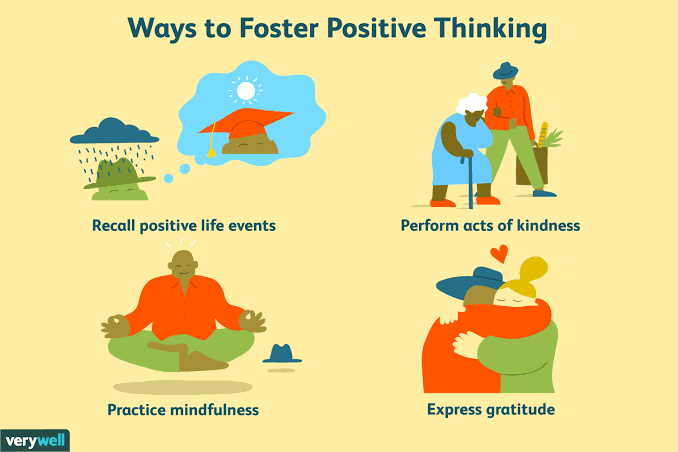
Step 7: Practice Gratitude
Gratitude helps shift focus from problems to positive experiences. Take a few minutes each day to write down things you appreciate.
Over time, gratitude strengthens optimism and encourages a healthier perspective on life challenges.
Step 8: Set Realistic Goals
Setting achievable goals provides direction and motivation. Break large tasks into smaller steps and celebrate progress along the way.
Unrealistic expectations often create frustration and disappointment, while manageable goals build confidence and momentum.
Step 9: Learn to Say No
Many people damage their emotional health by taking on too many responsibilities. Setting boundaries protects energy and prevents burnout.
Politely declining tasks that exceed your capacity is a healthy and necessary part of emotional wellness.
Step 10: Seek Support When Needed
There is strength in asking for help. Speaking with trusted friends, family members, teachers, mentors, or professionals can provide guidance during difficult times.
Seeking support early often prevents emotional challenges from becoming more serious problems.
Benefits of Emotional Wellness
Emotional wellness offers numerous advantages for people of all ages and backgrounds.
- Improves stress management abilities.
- Strengthens relationships and communication skills.
- Increases confidence and self-esteem.
- Enhances problem-solving and decision-making.
- Promotes better sleep quality.
- Supports physical health and immune function.
- Encourages positive thinking and optimism.
- Increases productivity and focus.
- Helps individuals recover from setbacks more quickly.
- Improves overall quality of life and happiness.
Disadvantages and Risks of Ignoring Emotional Wellness
Neglecting emotional health can create serious challenges in personal and professional life.
- Increased levels of stress and anxiety.
- Difficulty managing emotions effectively.
- Relationship conflicts and communication problems.
- Reduced motivation and productivity.
- Poor concentration and decision-making.
- Greater risk of burnout and exhaustion.
- Sleep disturbances and fatigue.
- Lower self-confidence and self-worth.
- Negative effects on physical health.
- Increased vulnerability to long-term emotional difficulties.
Common Mistakes to Avoid
One common mistake is ignoring emotions and pretending everything is fine. Suppressed emotions often become stronger over time and may eventually affect relationships and physical health.
Another mistake is comparing your emotional journey to others. Everyone experiences life differently, and progress occurs at different speeds for different individuals.
Many beginners also expect instant results. Emotional wellness is a gradual process that requires patience and consistency rather than quick fixes.
Relying entirely on social media for validation is another common issue. True emotional wellness comes from self-acceptance rather than external approval.
Overworking without taking breaks can also damage emotional health. Rest and recovery are necessary components of long-term well-being.
Finally, avoiding professional support when needed may prevent individuals from receiving valuable guidance and assistance.
Frequently Asked Questions
1. What is the difference between emotional wellness and mental health?
Mental health refers to overall psychological functioning, while emotional wellness focuses specifically on understanding and managing emotions effectively. Emotional wellness is one important component of mental health.
2. Can emotional wellness be improved?
Yes, emotional wellness can be improved through consistent habits such as mindfulness, exercise, gratitude, healthy communication, and stress management techniques.
3. How long does it take to improve emotional wellness?
The timeline varies from person to person. Some improvements can be noticed within a few weeks, while long-term emotional growth may take months or years of consistent effort.
4. Is emotional wellness important for students?
Yes, students benefit greatly from emotional wellness because it improves concentration, academic performance, confidence, and stress management during exams and studies.
5. Does exercise really help emotional health?
Physical activity releases mood-enhancing chemicals in the brain and reduces stress hormones, making exercise one of the most effective emotional wellness strategies.
6. How can beginners start improving emotional wellness?
Beginners can start by practicing gratitude, improving sleep habits, exercising regularly, building supportive relationships, and learning stress management techniques.
7. Can social media affect emotional wellness?
Yes, excessive social media use may increase stress, comparison, and feelings of inadequacy. Limiting screen time and focusing on real-life relationships can improve emotional health.
8. When should someone seek professional help?
Professional support should be considered when emotional difficulties interfere with daily activities, relationships, work, or studies for an extended period.
Expert Tips and Bonus Points
Start your mornings with positive intentions rather than immediately checking notifications or social media. A calm beginning often influences the rest of the day.
Create an emotional wellness routine that includes exercise, reflection, gratitude, and relaxation. Consistency is more valuable than perfection.
Spend time outdoors whenever possible. Exposure to sunlight and nature has been linked to improved mood and reduced stress levels.
Practice active listening during conversations. Understanding others improves relationships and strengthens emotional intelligence.
Limit exposure to unnecessary negativity, including toxic relationships and excessive negative news consumption.
Celebrate small achievements regularly. Recognizing progress creates motivation and reinforces positive behavior patterns.
Learn relaxation techniques such as meditation, stretching, and mindfulness exercises to improve emotional resilience during stressful situations.
Remember that setbacks are part of growth. Emotional wellness is a lifelong journey rather than a final destination.
Conclusion
Emotional wellness is an essential part of living a balanced, productive, and fulfilling life. It influences how individuals think, react, communicate, and overcome challenges. While modern life often creates stress and emotional pressure, developing strong emotional habits can make a significant difference in overall well-being.
Improving emotional wellness does not require dramatic lifestyle changes. Small actions such as practicing gratitude, getting enough sleep, exercising regularly, building healthy relationships, and managing stress effectively can create powerful long-term results. These habits gradually strengthen emotional resilience and improve the ability to handle life’s ups and downs.
Beginners should remember that emotional wellness is a process that develops over time. There will be good days and difficult days, but consistency and patience are key to lasting improvement. Every positive step, no matter how small, contributes to stronger emotional health.
By prioritizing emotional wellness today, individuals can create a healthier mindset, stronger relationships, greater confidence, and a happier future. Investing in emotional well-being is one of the most valuable decisions anyone can make for long-term success and personal fulfillment.