

Introduction
Modern life moves quickly. Between school, work, family responsibilities, social media, and endless notifications, many people feel mentally exhausted before the day even ends. Thoughts about the future create anxiety, while memories of the past can lead to stress and frustration. As a result, many beginners search for a simple and practical way to feel calmer and more focused in daily life. Mindfulness has become one of the most effective solutions for achieving this balance.
Mindfulness is not a complicated technique reserved for experts or meditation teachers. It is a skill that anyone can learn and practice regardless of age, profession, or lifestyle. The goal is not to stop thinking or eliminate emotions. Instead, mindfulness teaches people how to observe thoughts, feelings, and surroundings with awareness and without judgment.
For beginners, mindfulness can feel unfamiliar at first. Sitting quietly for a few minutes may seem difficult, and distractions can appear constantly. However, like any other skill, mindfulness becomes easier with practice and consistency. Even spending a few minutes each day can create noticeable improvements in focus, emotional control, and overall well-being.
This beginner-friendly guide explains mindfulness in simple terms, provides practical steps for getting started, highlights benefits and risks, and answers common questions to help you build a successful mindfulness practice.
What is Mindfulness?
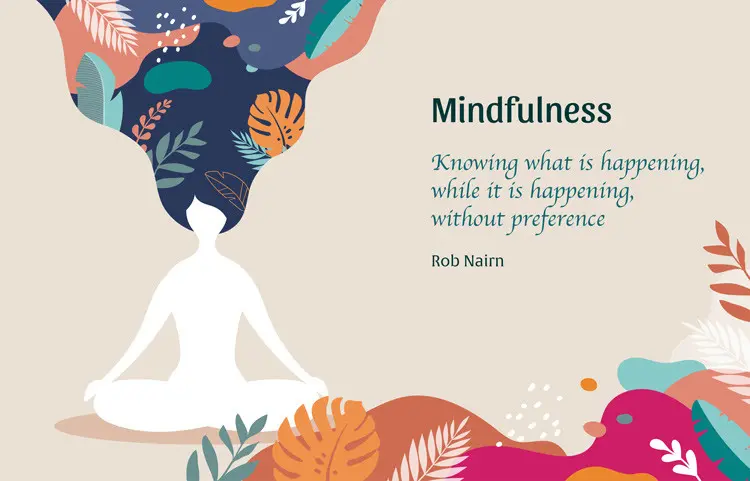
Mindfulness is the practice of paying full attention to the present moment. It involves becoming aware of your thoughts, emotions, physical sensations, and surroundings without trying to change or judge them. Instead of living on autopilot, mindfulness encourages intentional awareness of what is happening right now.
The concept of mindfulness has existed for thousands of years and is found in many traditions and philosophies. Today, it is widely used in healthcare, education, sports, and business because of its positive effects on mental and emotional health. A mindful person notices thoughts and feelings as they arise and allows them to pass without becoming overwhelmed by them.
For example, while eating mindfully, you pay attention to the taste, texture, and smell of food instead of scrolling through your phone. During a mindful walk, you notice the sounds around you, the movement of your body, and the feeling of the ground beneath your feet.
Mindfulness is not about achieving perfection. It is about returning attention to the present moment whenever the mind wanders.
Why is Mindfulness Important?
Mindfulness is important because it helps people manage the increasing mental pressure of modern life. Many individuals spend their days worrying about future events or replaying past experiences. This mental habit often increases stress and decreases enjoyment of the present moment.
Practicing mindfulness strengthens the ability to remain calm and focused even during difficult situations. Instead of reacting automatically to emotions such as anger, fear, or frustration, mindfulness creates space for thoughtful responses and better decision-making.
Research and practical experience show that mindfulness can improve concentration, support emotional health, and encourage healthier habits. It helps students perform better academically, professionals work more efficiently, and families communicate more effectively.
Most importantly, mindfulness teaches people to appreciate ordinary moments that are often overlooked, creating a greater sense of satisfaction and happiness in daily life.
Detailed Step-by-Step Guide
Learning mindfulness does not require expensive equipment or special training. Beginners can start with a few simple practices and gradually increase their experience over time.
Step 1: Choose a Quiet Place
Find a comfortable and quiet location where interruptions are minimal. This could be a bedroom, office, garden, or any peaceful environment where you feel relaxed.
The purpose of a quiet space is not to eliminate every sound but to reduce unnecessary distractions during practice.
Step 2: Sit Comfortably
Sit in a chair or on the floor with a straight but relaxed posture. Your hands can rest naturally on your knees or lap.
Comfort is important because physical discomfort can make it difficult to maintain focus. Avoid positions that create strain or tension.
Step 3: Focus on Your Breathing
Close your eyes if it feels comfortable and bring attention to your breathing. Notice the sensation of air entering and leaving your body.
There is no need to control the breath. Simply observe its natural rhythm and movement.
Step 4: Notice When Your Mind Wanders
Thoughts will appear almost immediately. This is completely normal and happens to everyone.
Whenever you notice your mind drifting toward plans, memories, or worries, gently return your attention to your breathing without frustration or self-criticism.
Step 5: Practice for a Few Minutes
Beginners should start with short sessions lasting three to five minutes. Trying to meditate for long periods too soon can feel overwhelming.
As your comfort level grows, increase the duration to ten, fifteen, or twenty minutes each day.
Step 6: Observe Physical Sensations
After becoming comfortable with breathing exercises, begin noticing sensations throughout your body.
Pay attention to areas of warmth, tension, relaxation, or movement without trying to change them.
Step 7: Include Emotions in Your Awareness
Mindfulness involves recognizing emotions as they arise. Instead of suppressing feelings, observe them with curiosity and acceptance.
Labeling emotions such as happiness, sadness, excitement, or anxiety can reduce their intensity and improve emotional understanding.
Step 8: Apply Mindfulness to Daily Activities
Formal meditation is only one part of mindfulness practice. Everyday activities provide excellent opportunities for mindful awareness.
You can practice mindfulness while eating, walking, cleaning, exercising, or even washing dishes by focusing completely on the activity itself.
Step 9: Create a Daily Routine
Consistency is more important than duration. Practicing for five minutes every day is usually more effective than practicing for an hour once a week.
Choose a regular time such as early morning or before bedtime to make mindfulness a habit.
Step 10: Be Patient With Yourself
Mindfulness is a lifelong skill that develops gradually. Some days will feel easier than others.
Progress should be measured by consistency rather than perfection.
Benefits of Mindfulness
Mindfulness offers many physical, emotional, and mental benefits for beginners and experienced practitioners alike.
- Reduces stress and anxiety levels.
- Improves concentration and focus.
- Supports emotional regulation.
- Enhances memory and learning ability.
- Encourages better sleep quality.
- Improves decision-making skills.
- Increases self-awareness.
- Strengthens relationships through better listening.
- Helps manage difficult emotions more effectively.
- Encourages gratitude and appreciation.
- Supports healthier habits and routines.
- Reduces impulsive reactions.
- Improves workplace productivity.
- Enhances creativity and problem-solving abilities.
- Contributes to overall mental well-being.
Disadvantages / Risks
Although mindfulness is generally safe, beginners should understand that it may not always feel easy or comfortable.
Some individuals may become frustrated when they realize how active their minds are during early sessions. This experience is normal and usually improves with practice.
Potential disadvantages and risks include:
- Difficulty maintaining concentration during the beginning stages.
- Feelings of boredom during practice sessions.
- Temporary awareness of uncomfortable emotions.
- Unrealistic expectations about immediate results.
- Overdependence on mindfulness as the only coping strategy.
- Frustration when progress appears slow.
- Emotional discomfort when reflecting on stressful experiences.
- In rare situations, intense meditation practices may not be suitable without professional guidance.
Common Mistakes to Avoid
One common mistake is believing that mindfulness requires an empty mind. The goal is not to eliminate thoughts but to observe them without becoming attached to them.
Another mistake is expecting immediate transformation. Mindfulness develops gradually and requires patience and consistency.
Many beginners judge themselves harshly when distractions occur. Wandering thoughts are a natural part of the process and should be treated with kindness.
Practicing only when stressed is another error. Regular daily practice produces better long-term results than occasional sessions during difficult moments.
Some people also compare their progress to others. Mindfulness is a personal journey, and each person’s experience will be different.
Finally, trying advanced techniques too early can create frustration. Starting with simple exercises builds a stronger foundation.
FAQs
1. How long should beginners practice mindfulness each day?
Beginners can start with three to five minutes per day. Once this becomes comfortable, sessions can gradually increase to ten or twenty minutes. Consistency is more important than duration.
2. Is mindfulness the same as meditation?
Mindfulness and meditation are closely related but not identical. Meditation is a structured exercise used to develop mindfulness, while mindfulness can also be practiced during everyday activities.
3. Can mindfulness help reduce anxiety?
Many people find mindfulness helpful for managing anxiety because it encourages attention to the present moment instead of future worries. However, severe anxiety may require professional support alongside mindfulness practice.
4. Do I need special equipment to practice mindfulness?
No equipment is necessary. A quiet place and a few minutes of uninterrupted time are enough to begin.
5. What should I do if I keep getting distracted?
Distractions are normal and expected. Each time you notice your attention drifting, gently bring it back to your breathing or chosen focus point.
6. Can children practice mindfulness?
Yes, mindfulness can be adapted for children using simple breathing exercises, games, and mindful observation activities.
7. Is mindfulness connected to religion?
Mindfulness has historical roots in several traditions, but modern mindfulness practices are commonly taught in secular settings such as schools, hospitals, and workplaces.
8. When is the best time to practice mindfulness?
Many people prefer mornings because the mind is fresh and distractions are limited. Others find evening sessions useful for relaxation before sleep.
Expert Tips & Bonus Points
Start with very small goals instead of long sessions. Even two minutes of practice each day can build momentum and confidence.
Use reminders such as alarms, sticky notes, or calendar notifications to create consistency and establish habits.
Mindful breathing can be practiced anywhere, including classrooms, offices, public transport, and waiting rooms.
Keeping a journal after sessions can help track emotions, progress, and patterns over time.
Combining mindfulness with physical activities such as walking or stretching often feels easier for active individuals who struggle with sitting still.
Turning off phone notifications during practice sessions reduces distractions and improves concentration.
Practicing gratitude alongside mindfulness can further improve emotional well-being and life satisfaction.
Remember that mindfulness is not a competition or performance. The objective is awareness, not perfection.
Conclusion
Mindfulness is one of the simplest and most accessible tools for improving mental clarity, emotional balance, and overall well-being. It does not require special skills, expensive programs, or major lifestyle changes. Instead, it asks for something much smaller yet incredibly powerful: attention to the present moment.
For beginners, the journey may feel challenging at first. Thoughts will wander, distractions will appear, and progress may seem slow. These experiences are not signs of failure. They are normal parts of learning how the mind works and how awareness can be strengthened over time.
The greatest advantage of mindfulness is its flexibility. It can be practiced while sitting quietly, walking outside, eating meals, or completing everyday tasks. A few minutes of mindful attention each day can gradually create meaningful improvements in focus, stress management, emotional health, and personal relationships.
The most important step is simply to begin. Start with a few minutes, remain consistent, and allow the practice to grow naturally. Over time, mindfulness can become more than a technique. It can become a way of experiencing life with greater calm, clarity, and appreciation.