
Introduction
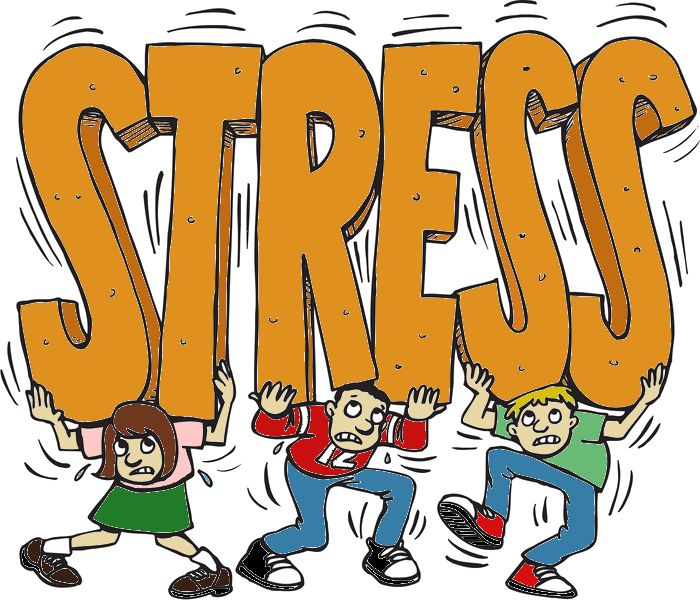
Stress has become a common part of modern life. Whether it comes from work responsibilities, studies, financial pressure, family issues, or personal expectations, almost everyone experiences stress at some point. While a small amount of stress can motivate people to perform better, too much stress can affect both physical and mental health. Many beginners struggle to recognize stress early and often ignore the warning signs until they start experiencing sleep problems, lack of focus, headaches, or emotional exhaustion.
Learning how to manage stress effectively is not about eliminating challenges from life. Instead, it involves developing healthy habits and practical strategies that help the mind and body respond better to difficult situations. Stress management techniques are simple, accessible, and can be practiced by anyone regardless of age or lifestyle.
This guide explains stress management in a beginner-friendly way and provides practical steps that can be implemented immediately. By following these strategies consistently, individuals can improve emotional well-being, increase productivity, strengthen relationships, and enjoy a better quality of life.
What is Stress Management?
Stress management refers to the process of identifying stress triggers and using healthy methods to reduce their impact on physical, emotional, and mental health. It includes activities, habits, and techniques that help individuals stay calm and balanced during challenging situations.
The goal of stress management is not to remove every stressful event from life because that is impossible. Instead, it helps people build resilience, improve coping skills, and respond to pressure in a healthier and more productive manner.
Why is Stress Management Important?
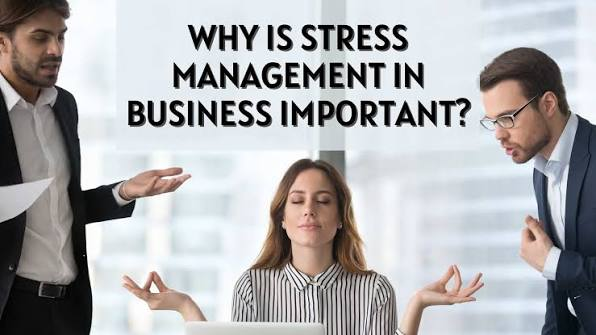
Stress affects nearly every part of the body, including the brain, heart, immune system, and digestive system. When stress becomes chronic, it may contribute to fatigue, sleep disorders, anxiety, high blood pressure, and poor concentration. Managing stress early can prevent these problems from becoming more serious.
Effective stress management also improves decision-making, communication skills, emotional control, and overall happiness. People who practice stress management regularly often feel more confident, energetic, and prepared to deal with everyday challenges.
Detailed Step-by-Step Guide
Step 1: Identify Your Stress Triggers
The first step in stress management is understanding what causes stress in your life. Common triggers include deadlines, exams, family responsibilities, financial concerns, health issues, and relationship conflicts.
Keep a journal for one week and write down situations that make you feel overwhelmed. Recognizing patterns helps you prepare better solutions for future situations.
Step 2: Practice Deep Breathing Exercises
Deep breathing is one of the fastest ways to calm the nervous system. When people are stressed, breathing often becomes shallow and rapid, which increases anxiety levels.
Try inhaling slowly through the nose for four seconds, holding the breath for four seconds, and exhaling slowly for six seconds. Repeating this exercise for five minutes can significantly reduce tension.
Step 3: Create a Daily Routine
A structured routine reduces uncertainty and helps people feel more in control of their day. Begin by setting regular times for waking up, meals, work, exercise, and sleep.
Having a predictable schedule minimizes last-minute pressure and improves time management skills. Even simple planning can reduce stress levels considerably.
Step 4: Exercise Regularly
Physical activity releases endorphins, which are chemicals that improve mood and reduce stress hormones. Exercise does not have to be intense or complicated to be effective.
Walking, cycling, swimming, stretching, or light home workouts for at least thirty minutes a day can make a noticeable difference in emotional well-being and energy levels.
Step 5: Improve Sleep Quality
Poor sleep and stress often create a harmful cycle. Stress makes it difficult to sleep, and lack of sleep increases stress levels the next day.
Maintain a consistent bedtime, avoid screens before sleeping, and create a comfortable sleeping environment. Most adults benefit from seven to nine hours of quality sleep each night.
Step 6: Maintain a Healthy Diet
Nutrition plays an important role in stress management. Excess sugar, caffeine, and processed foods may increase irritability and energy crashes.
Include fruits, vegetables, whole grains, lean proteins, and plenty of water in your daily meals. Balanced nutrition supports both physical and mental performance.
Step 7: Learn Time Management Skills
Many people experience stress because they have too many responsibilities and too little time. Prioritizing tasks can reduce this pressure significantly.
Create a daily to-do list and divide large tasks into smaller and more manageable steps. Completing small tasks regularly builds confidence and momentum.
Step 8: Limit Exposure to Negative Information
Constant exposure to negative news, social media arguments, and unrealistic comparisons can increase stress and anxiety.
Set specific times for checking news and social media instead of scrolling continuously throughout the day. Protecting mental space is an important part of emotional health.
Step 9: Build Strong Social Connections
Talking with trusted friends or family members can provide emotional support and fresh perspectives during stressful periods.
Social connections help people feel understood and less isolated. Even short conversations can improve mood and reduce emotional burden.
Step 10: Practice Relaxation Techniques
Relaxation techniques help the body recover from stress and improve emotional stability. Popular options include meditation, mindfulness, stretching, and listening to calming music.
Practicing relaxation for ten to fifteen minutes daily can improve focus, patience, and emotional resilience over time.
Step 11: Set Realistic Expectations
Perfectionism often creates unnecessary stress. Setting achievable goals allows people to make progress without constant pressure.
Accept that mistakes and setbacks are normal parts of growth and learning. Focusing on improvement rather than perfection leads to healthier thinking patterns.
Step 12: Seek Professional Support When Needed
Some levels of stress may become difficult to manage alone. Persistent stress that affects sleep, appetite, work, or relationships may require professional support.
Mental health professionals can provide personalized strategies and guidance to help individuals regain control and improve their well-being.
Benefits of Stress Management
Stress management provides advantages that improve both personal and professional life. The benefits become stronger when healthy habits are practiced consistently.
Some major benefits include:
- Better sleep quality and improved energy levels.
- Stronger immune system functioning.
- Improved concentration and memory.
- Reduced anxiety and emotional exhaustion.
- Better decision-making abilities.
- Increased productivity and motivation.
- Healthier relationships and communication.
- Improved physical health and lower blood pressure.
- Greater emotional resilience during difficult situations.
- Higher overall life satisfaction and happiness.
Disadvantages / Risks
Stress management itself has very few disadvantages, but certain approaches may create problems if used incorrectly or excessively.
Some possible risks include:
- Relying only on temporary solutions instead of addressing the root cause.
- Using avoidance strategies that delay important decisions.
- Becoming frustrated when immediate results do not appear.
- Depending too heavily on one technique while ignoring other healthy habits.
- Misinterpreting severe stress symptoms that require professional support.
- Following unverified advice that may increase anxiety instead of reducing it.
Common Mistakes to Avoid
One common mistake is ignoring early signs of stress and waiting until problems become severe before taking action. Early intervention is usually more effective and easier to maintain.
Another mistake is trying to remove every stressful situation from life. Some stress is natural and even helpful for motivation and growth. The goal should be managing stress rather than eliminating it completely.
Many beginners also expect instant results. Stress management requires consistency and patience. Small daily habits often produce better long-term outcomes than occasional large efforts.
Finally, many people sacrifice sleep, exercise, and healthy eating when they become busy. These habits are actually most important during stressful periods and should remain priorities.
FAQs
1. What are the first signs of stress?
Common early signs include headaches, irritability, fatigue, poor concentration, muscle tension, and sleep problems. Recognizing these symptoms early allows people to respond before stress becomes overwhelming.
2. How long does it take for stress management techniques to work?
Some techniques such as deep breathing can provide relief within minutes, while long-term habits like exercise and improved sleep may require several weeks for noticeable results.
3. Can exercise really reduce stress?
Yes, exercise reduces stress hormones and increases endorphins, which improve mood and emotional well-being. Regular physical activity is one of the most effective natural stress management tools.
4. Is stress always harmful?
No, short-term stress can improve motivation and performance. Problems usually arise when stress becomes chronic and continues for long periods without recovery.
5. How much sleep is needed for better stress control?
Most adults need between seven and nine hours of quality sleep each night. Adequate sleep improves emotional regulation, memory, and resilience to stress.
6. When should someone seek professional help for stress?
Professional help should be considered if stress affects daily activities, relationships, sleep, appetite, or physical health for an extended period.
7. Can diet affect stress levels?
Yes, nutrition has a major impact on mood and energy. Balanced meals support stable energy levels and better emotional control throughout the day.
8. Are relaxation techniques suitable for beginners?
Absolutely. Deep breathing, mindfulness, stretching, and guided meditation are simple methods that beginners can learn and practice easily.
Expert Tips & Bonus Points
Start with one or two stress management habits instead of trying to change everything at once. Gradual changes are easier to maintain and often produce better results.
Keep a gratitude journal and write down three positive experiences every day. This simple practice trains the brain to focus more on positive experiences and less on negative thoughts.
Spend time outdoors whenever possible because natural environments can improve mood and reduce mental fatigue. Even short walks in parks or green spaces can be beneficial.
Learn to say no when responsibilities exceed your capacity. Protecting personal time and energy is essential for long-term mental health.
Celebrate small achievements regularly because recognizing progress improves motivation and confidence during stressful periods.
Conclusion
Stress is a normal part of life, but it does not have to control daily experiences or overall happiness. Understanding stress and learning how to respond effectively can improve physical health, emotional well-being, relationships, and productivity. The good news is that stress management does not require expensive tools or complicated techniques. Simple habits such as regular exercise, healthy eating, better sleep, deep breathing, and proper time management can create powerful long-term results.
Beginners should focus on consistency rather than perfection. Small improvements practiced every day often produce greater benefits than dramatic changes that are difficult to maintain. Identifying personal stress triggers and responding with healthy coping strategies helps build resilience and confidence over time.
Stress management is a lifelong skill that grows stronger with practice. By making these techniques part of everyday life, individuals can face challenges with greater calmness, clarity, and control. The journey toward a healthier and less stressful life starts with one small step, and every positive action contributes to long-term well-being and success.