

Introduction
Exercise is one of the most powerful tools for improving physical health, mental well-being, and overall quality of life. In today’s fast-paced world, many people spend long hours sitting at desks, using smartphones, or watching screens, leaving little time for movement and physical activity. This inactive lifestyle has contributed to rising levels of obesity, heart disease, diabetes, and stress-related illnesses across the world.
The good news is that improving your health does not require expensive equipment or hours in the gym. Simple activities such as walking, stretching, cycling, and bodyweight exercises can create significant changes in your energy levels, strength, and mood. Even a few minutes of movement each day can start producing positive results.
For beginners, starting an exercise routine may feel challenging or confusing. Questions about where to begin, how often to exercise, and which activities are most effective are common. Understanding the basics helps remove these barriers and makes the process easier.
This guide explains everything beginners need to know about exercise for better health. From understanding its importance to building a practical routine, avoiding mistakes, and learning expert tips, this article provides a complete roadmap to creating healthier habits that can last a lifetime.
What is Exercise for Better Health?
Exercise for better health refers to any physical activity performed to improve or maintain physical fitness, mental wellness, and overall body function. It includes structured workouts such as running, swimming, strength training, and yoga, as well as daily activities like walking, climbing stairs, gardening, or playing sports.
The goal of exercise is not only to lose weight or build muscles. Regular physical activity strengthens the heart, improves blood circulation, supports healthy bones and joints, and enhances mental health by reducing stress and anxiety. Exercise also improves sleep quality and increases daily energy levels.
Health experts generally recommend combining different forms of exercise, including cardiovascular activities, strength training, flexibility exercises, and balance movements. This balanced approach helps develop a healthy and functional body capable of handling everyday tasks more efficiently.
For beginners, exercise should be viewed as a long-term lifestyle habit rather than a temporary solution. Consistency is far more important than intensity when building a healthy routine.
Why is Exercise Important?
Exercise plays a critical role in preventing many chronic diseases that affect millions of people worldwide. Regular physical activity lowers the risk of heart disease, high blood pressure, type 2 diabetes, stroke, and certain forms of cancer. It also helps maintain a healthy body weight and improves the immune system’s ability to fight infections.
Physical activity benefits the brain just as much as the body. Exercise increases the production of chemicals that improve mood, concentration, and memory. Many people experience lower stress levels and improved emotional health after becoming physically active.
Modern lifestyles often involve long periods of sitting, which can negatively impact metabolism and cardiovascular health. Exercise helps counteract these effects by keeping muscles active and supporting healthy body functions throughout the day.
Perhaps most importantly, exercise increases independence and quality of life as people age. Strong muscles, healthy bones, and good balance reduce the risk of falls and make everyday activities easier and more enjoyable.
Detailed Step-by-Step Guide
Regular exercise becomes easier when beginners follow a simple and structured approach. Starting gradually reduces the risk of injury and helps build confidence.
A successful exercise routine focuses on consistency rather than perfection. Small improvements over time create lasting results.
Step 1: Set Clear and Realistic Goals
Begin by identifying your purpose for exercising. Your goal may be improving fitness, increasing energy, reducing stress, losing weight, or improving overall health.
Make goals specific and measurable. Instead of saying “I want to get fit,” aim for “I will walk for 30 minutes five days a week.”
Step 2: Choose Activities You Enjoy
People are more likely to continue exercising when they enjoy the activity. Walking, cycling, dancing, swimming, and playing sports are excellent options for beginners.
Experiment with different exercises until you discover activities that fit your lifestyle and interests.
Step 3: Start Slowly
Many beginners make the mistake of doing too much too soon. Start with short sessions lasting 15 to 20 minutes and gradually increase the duration.
Allow your body time to adapt to new physical demands. Progress should be steady rather than rushed.
Step 4: Include Cardiovascular Exercise
Cardio activities improve heart and lung health by increasing your heart rate. Walking, jogging, cycling, and swimming are effective forms of cardio exercise.
Aim for at least 150 minutes of moderate-intensity cardio activity each week according to general health recommendations.
Step 5: Add Strength Training
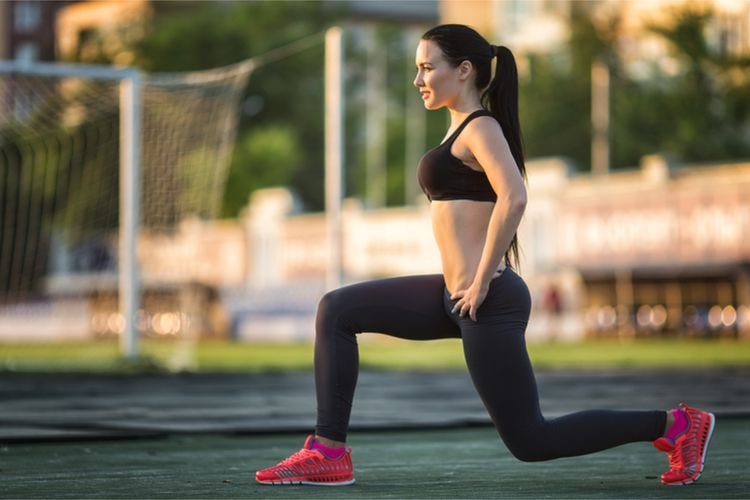
Strength exercises help build muscles and maintain bone density. Beginners can start with bodyweight exercises such as squats, push-ups, lunges, and planks.
Perform strength training exercises two or three times per week while allowing muscles time to recover.
Step 6: Improve Flexibility
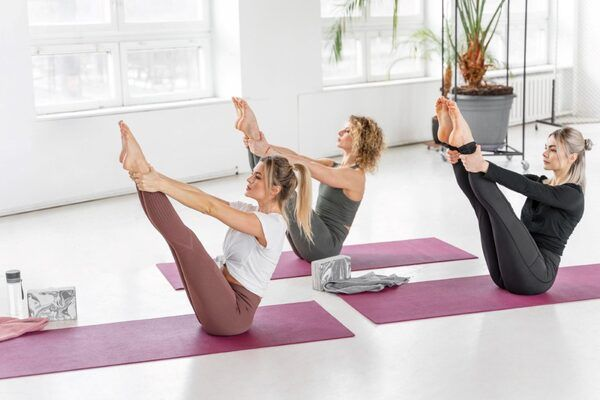
Stretching improves mobility and reduces muscle tightness. Gentle stretches before and after exercise help maintain flexibility and lower injury risk.
Yoga and mobility exercises are excellent additions to any routine.
Step 7: Focus on Balance Exercises
Balance becomes increasingly important with age. Activities such as standing on one leg, yoga poses, and tai chi improve stability and coordination.
Good balance reduces the likelihood of falls and injuries during daily activities.
Step 8: Stay Hydrated
Water supports body temperature regulation and muscle function during exercise. Drink water before, during, and after physical activity.
Proper hydration becomes even more important during hot weather or longer workouts.
Step 9: Track Your Progress
Keeping a record of workouts helps maintain motivation. Use a notebook or fitness application to monitor improvements in endurance, strength, or activity levels.
Celebrating small achievements encourages long-term commitment.
Step 10: Make Exercise a Habit
Schedule exercise sessions as you would any important appointment. Consistency creates routine, and routine creates lasting results.
Missing an occasional workout is normal, but returning to the routine quickly is essential for success.
Benefits of Exercise for Better Health
Exercise offers benefits that affect nearly every system in the body.
- Improves heart and cardiovascular health.
- Helps maintain a healthy body weight.
- Strengthens muscles and bones.
- Reduces the risk of chronic diseases.
- Improves sleep quality and duration.
- Enhances mood and emotional well-being.
- Increases energy and reduces fatigue.
- Improves concentration and memory.
- Supports healthy blood pressure levels.
- Strengthens the immune system.
- Improves flexibility and mobility.
- Reduces stress and anxiety.
- Enhances confidence and self-esteem.
- Supports healthy aging and independence.
- Improves posture and body balance.
Disadvantages / Risks
Although exercise is highly beneficial, certain risks exist when physical activity is performed incorrectly or excessively.
- Overtraining can lead to fatigue and burnout.
- Poor technique may cause injuries.
- Skipping warm-up sessions increases muscle strain risk.
- Exercising despite illness or injury can worsen conditions.
- Dehydration can occur during intense activity.
- Excessive exercise may interfere with recovery and sleep.
- Sudden high-intensity workouts may stress the heart in untrained individuals.
- Ignoring rest days can reduce performance and increase injury risk.
Most of these risks can be avoided by exercising responsibly and progressing gradually.
Listening to your body and seeking medical advice when necessary helps maintain safety and long-term success.
Common Mistakes to Avoid
One of the biggest mistakes beginners make is expecting immediate results. Health improvements and physical changes require patience and consistency over time.
Another common mistake is comparing progress with others. Every individual has different fitness levels, genetics, and lifestyles. Personal progress is the only comparison that truly matters.
Skipping warm-ups and cool-downs is another frequent problem. These short sessions prepare the body for movement and support recovery afterward.
Many beginners also ignore nutrition and sleep. Exercise works best when supported by balanced meals and adequate rest.
Using poor exercise form can increase injury risk and reduce effectiveness. Learning proper techniques before increasing intensity is essential.
Finally, inconsistency prevents long-term progress. Exercising regularly for months produces better results than intense workouts performed only occasionally.
FAQs
1. How much exercise should beginners do each week?
Beginners should aim for at least 150 minutes of moderate physical activity each week. This can be divided into 30-minute sessions across five days. Starting with shorter sessions and gradually increasing duration is perfectly acceptable.
2. What is the best exercise for overall health?
Walking is often considered one of the best exercises because it is simple, safe, and accessible for most people. Combining walking with strength training and flexibility exercises creates even better results.
3. Is it necessary to join a gym?
No, a gym membership is not required for good health. Many effective exercises can be performed at home or outdoors using only body weight and simple equipment.
4. When is the best time of day to exercise?
The best time to exercise is the time you can consistently maintain. Some people prefer mornings for increased energy, while others perform better during afternoons or evenings.
5. Can exercise improve mental health?
Yes, regular exercise reduces stress, anxiety, and symptoms of depression. Physical activity stimulates the release of chemicals that improve mood and emotional well-being.
6. How long does it take to see results from exercise?
Many people notice improvements in mood and energy within a few weeks. Visible physical changes often appear after several weeks or months of consistent effort.
7. Should I exercise every day?
Daily movement is beneficial, but intense workouts should be balanced with rest and recovery. Active recovery activities such as walking or stretching are excellent options on lighter days.
8. What should I eat before and after exercise?
Before exercise, consume light meals containing carbohydrates and protein for energy. After exercise, eat balanced meals that support muscle recovery and replenish energy stores.
Expert Tips & Bonus Points
Fitness experts recommend focusing on consistency rather than perfection. Missing one workout is not a problem, but quitting entirely can delay progress.
Preparing exercise clothes and equipment in advance reduces excuses and makes starting easier. Creating a schedule also improves accountability and commitment.
Finding an exercise partner can increase motivation and make physical activity more enjoyable. Social support often improves long-term adherence to healthy habits.
Listening to your body is another important principle. Mild soreness is normal, but persistent pain should never be ignored.
Adding variety to workouts prevents boredom and challenges different muscle groups. Rotating between walking, cycling, strength training, and stretching keeps exercise interesting.
Rewarding yourself for reaching milestones can also maintain motivation. Rewards should support healthy habits rather than replace them.
Conclusion
Exercise is one of the most effective investments you can make in your health and future well-being. It strengthens the body, supports mental health, improves energy levels, and reduces the risk of many serious diseases. The benefits extend beyond appearance and physical fitness, influencing confidence, productivity, and overall quality of life.
For beginners, the key to success is starting small and staying consistent. You do not need expensive equipment, advanced skills, or long workout sessions to experience positive changes. Simple activities such as walking, stretching, and bodyweight exercises can create remarkable improvements when performed regularly.
Progress may seem slow in the beginning, but every step contributes to better health. Building habits takes time, and lasting results come from patience and persistence rather than extreme efforts.
Remember that exercise is not a punishment or an obligation. It is an opportunity to care for your body, improve your mind, and create a healthier future. By making physical activity a regular part of your routine, you are taking an important step toward a stronger, happier, and more energetic life that can benefit you for years to come.
